
How To Teach Music To Students With Learning Disabilities
Music has been proven to be a powerful tool for personal expression and growth, and this rings true for students of all abilities. However, teaching music to students with learning disabilities comes with its own unique set of challenges. As a teacher, it is important to have a clear understanding of how to effectively teach music to these students in order to create an inclusive and enriching learning experience. In this article, we will explore some practical tips and strategies for teaching music to students with learning disabilities. 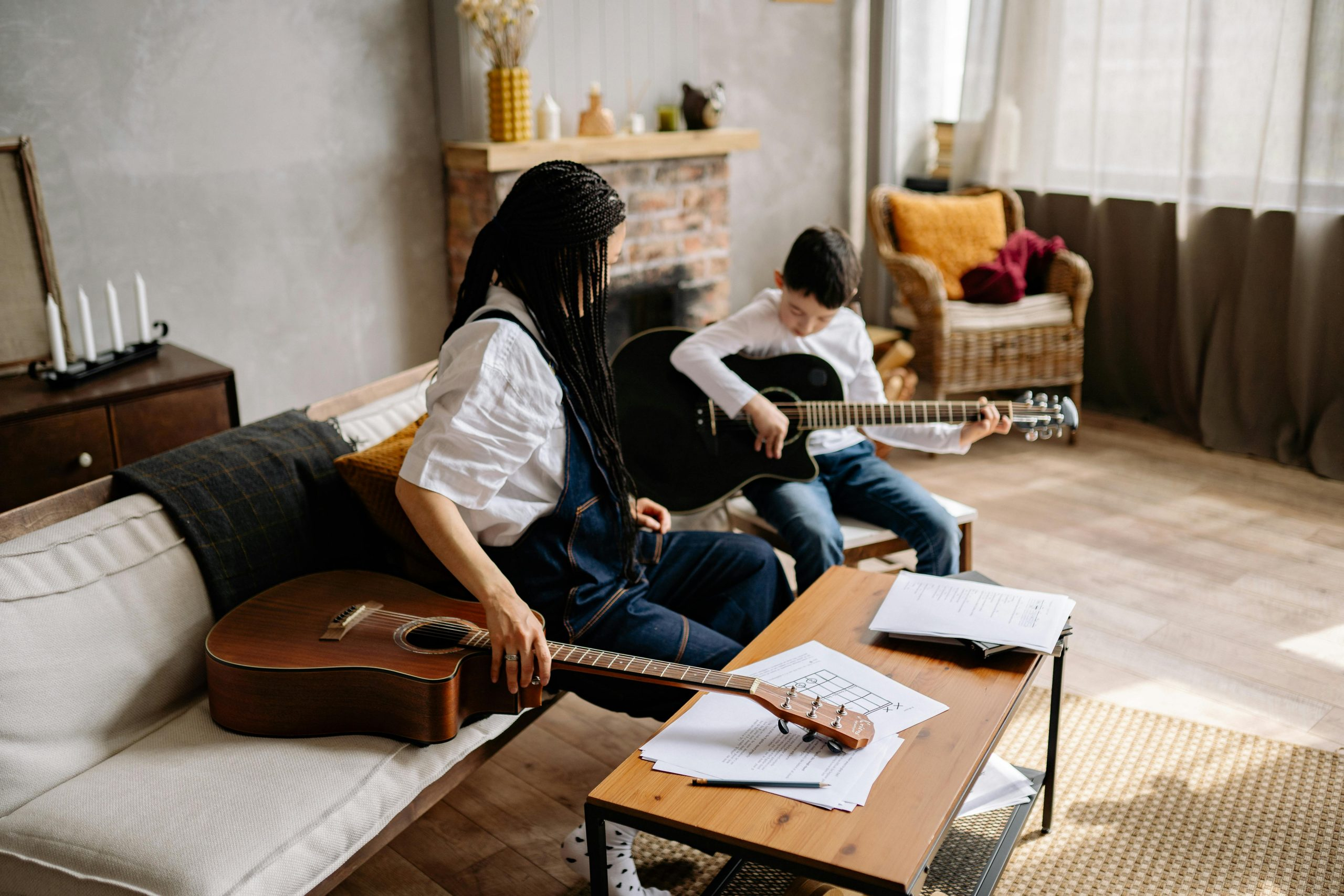
What are learning disabilities?
Learning disabilities refer to a range of neurological conditions that affect a person’s ability to learn and process information. These disabilities can vary in severity and can impact an individual’s academic, social, and emotional well-being. Some common types of learning disabilities include dyslexia, dysgraphia, and dyscalculia. These conditions can make it challenging for students to absorb and retain knowledge in a traditional learning environment. It is estimated that around 14% of the global population is affected by some form of learning disability.
The benefits of music for students with learning disabilities
Music has a way of connecting with people on a deeper level, and this is true for students with learning disabilities as well. Research has shown that music can have a positive impact on cognitive, emotional, and social development in individuals with learning disabilities. Here are some of the benefits of incorporating music into their learning journey:
1. Improved focus and concentration
For students with learning disabilities, staying focused and on task can be a struggle. Music can provide a structured and engaging learning experience, making it easier for them to stay focused and improve their concentration skills. The rhythmic patterns and repetition in music can also help improve their memory and processing abilities.
2. Boost in confidence and self-esteem
Learning disabilities can often lead to feelings of frustration, low self-esteem, and a lack of confidence in students. Music can be a powerful tool for building self-confidence and self-expression. When students are able to create and perform music, it can provide a sense of accomplishment and pride, boosting their self-esteem and motivation to learn.
3. Enhances social skills
In a music class, students have the opportunity to work together and collaborate on a piece of music. This can help students with learning disabilities develop their social skills and improve their ability to communicate and interact with others. Additionally, music can also be used as a form of therapy to help students improve their emotional regulation and reduce feelings of anxiety and stress.
Tips for teaching music to students with learning disabilities
1. Understand each student’s needs
Just like every student is unique, so are their learning disabilities. It is crucial to have an understanding of each student’s needs and abilities in order to effectively tailor your teaching approach. Some students may need additional support or accommodations, such as extra time to process information or visual aids, while others may benefit from hands-on learning experiences.
2. Adapt teaching strategies
Traditional teaching methods may not be effective for students with learning disabilities. As a teacher, it is important to be flexible and adapt your teaching strategies to meet the needs of your students. You can incorporate different types of music, such as songs, instrumental pieces, and games, to cater to the diverse learning styles of your students.
3. Use technology
Technology can be a powerful tool for teaching music to students with learning disabilities. There are many online resources and apps that can assist students in learning music theory and practicing their instrument. Additionally, technology can also be used to provide visual and audio cues to help students stay on track during lessons.
4. Encourage participation and creativity
Involving students in the creative process can keep them engaged and motivated to learn. Encourage students to express themselves through music and provide opportunities for them to showcase their talent. This can help build their confidence and self-esteem, while also fostering a love for music.
Conclusion
Teaching music to students with learning disabilities requires patience, flexibility, and a deep understanding of each student’s individual needs. By incorporating these tips and strategies, you can create an inclusive and enriching learning experience for students of all abilities. Remember, music is a powerful tool that can help students with learning disabilities develop their talents and achieve their full potential.