
The History Of The Grand Piano As A Masterpiece
The grand piano is a beloved musical instrument adored by both musicians and enthusiasts alike. Its elegant design and exquisite sound have made it a treasured centerpiece in concert halls, homes, and even royalty rooms for centuries. But the grand piano is more than just a functional instrument; it is considered an artistic masterpiece. In this article, we will explore the history of the grand piano as a work of art and its evolution into the stunning instrument we know today.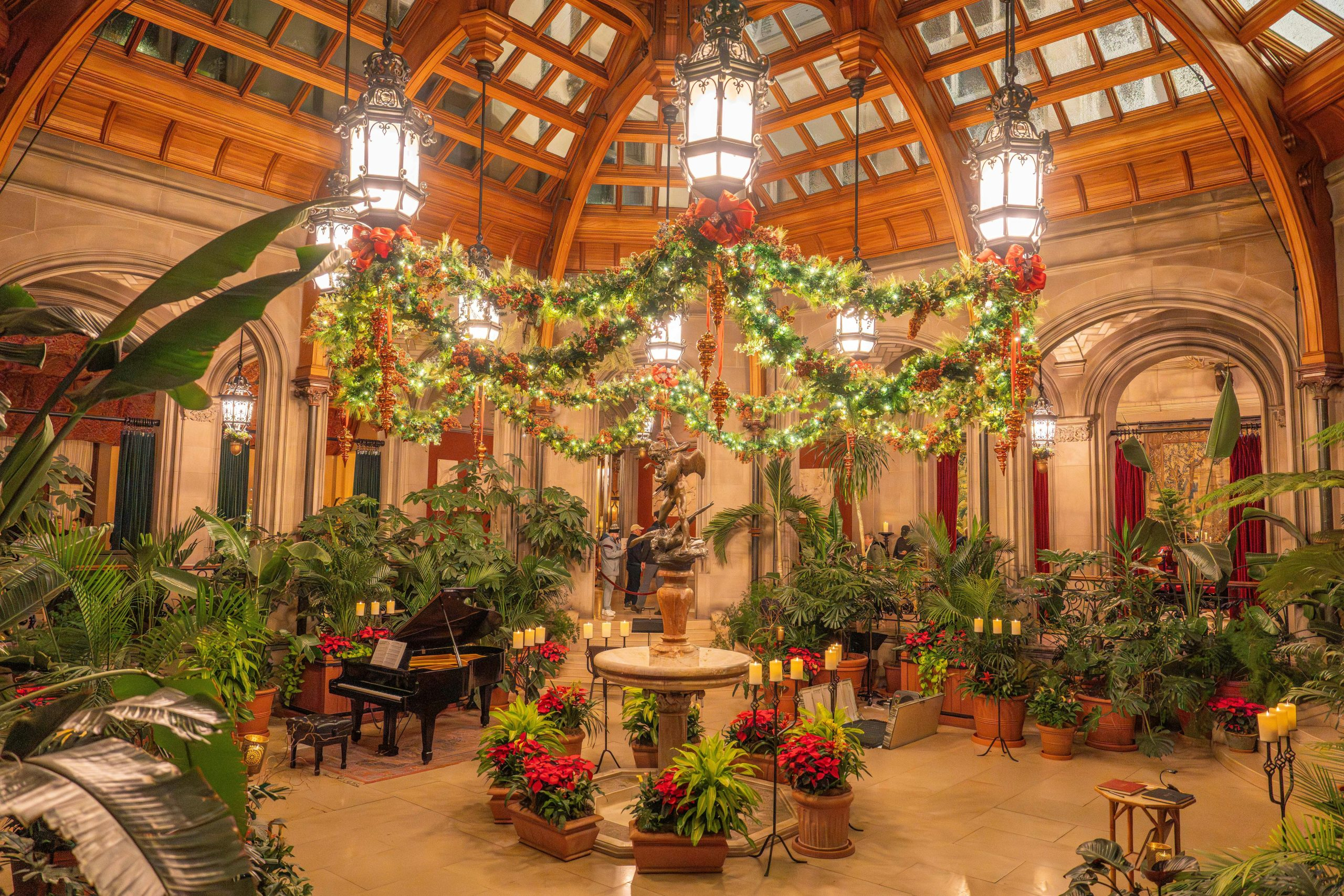
The Origins of the Grand Piano
The origins of the grand piano can be traced back to the royal courts of Europe in the early 18th century. The modern-day piano, as we know it, was developed from the harpsichord, which was the most popular keyboard instrument of the time. Italian instrument maker Bartolomeo Cristofori is credited as the inventor of the first grand piano in 1709. His design featured a piano with a keyboard and hammers that struck the strings, producing a softer and more varied range of sounds than the harpsichord. This new instrument was named the ‘pianoforte,’ meaning ‘soft-loud’ in Italian, and later shortened to ‘piano.’
The Evolution of the Grand Piano
The Early Years
In the early days of the grand piano, it had a smaller frame and range of keys than modern instruments. However, its popularity quickly grew, and it soon became a sought-after instrument in the courts and wealthy homes across Europe. Throughout the 18th and 19th centuries, various piano makers experimented with the design, shape, and sound of the instrument, leading to its evolution into the grand piano we know today.
The Industrial Revolution and Changes in Design
The industrial revolution in the 19th century brought significant advancements in technology and manufacturing, which had a profound impact on the grand piano’s design. Metal frames replaced wooden ones, making the instrument stronger and able to withstand greater string tension, resulting in a more significant and powerful sound. The strings were also made of superior quality and stretched over a larger area, giving the piano a more extensive range of tones. This period also saw the rise of the lid on top of the piano, which could be opened or closed to alter the volume and tone of the instrument.
The Grand Piano’s Status as a Work of Art
As the grand piano’s design evolved and improved, so did its status as a work of art. The elaborate and ornate designs of the piano’s case, combined with the intricate handcrafted mechanisms inside, epitomized the craftsmanship of true artistry. Piano makers often collaborated with renowned artists and artisans to create customized, one-of-a-kind grand pianos that were not only functional but also breathtakingly beautiful.
The grand piano also became a symbol of social status, with wealthy families commissioning grand pianos to showcase their wealth and taste. Many grand pianos were adorned with precious materials such as ivory, mother of pearl, and gold, elevating their status as luxurious pieces of furniture.
The Grand Piano Today
Today, the grand piano continues to be revered as a beautiful and sophisticated instrument, both in design and sound. While modern grand pianos are designed with more precision and production shortcuts, their quality and artistry remain consistent. Admired for its versatility, the grand piano can produce a wide range of sounds, from delicate and gentle to strong and powerful, making it an essential instrument in various styles of music.
Benefits of Owning a Grand Piano
Owning a grand piano is a dream for many, and with good reason. It not only adds elegance and beauty to any room, but it also offers numerous benefits to the owner. Learning to play the grand piano enhances cognitive abilities, such as memory, creativity, and problem-solving skills. Playing the piano also serves as a powerful stress reliever, improves hand-eye coordination, and instills discipline and patience.
In Conclusion
The grand piano has come a long way since its invention over three hundred years ago, evolving into an intricate and exquisite instrument that has stood the test of time. Its status as a work of art has remained untouched, and its value as a functional instrument is unparalleled. The grand piano will continue to be a timeless masterpiece cherished and admired by generations to come.