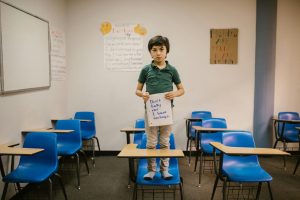
Harnessing The Power Of Storytelling In Elementary History Classes
In elementary school, history classes may seem like a dry and boring subject for some students. However, history is a critical part of understanding our present and shaping our future. It is the foundation of our society and culture, and it is crucial to introduce it to students at a young age. But how can we make history more accessible and engaging for young minds? The answer may lie in the power of storytelling.
The Importance of Storytelling in Elementary History Classes
History is not just a collection of dates and facts; it is a series of stories. These stories have the power to captivate and inspire students to learn more about the past and connect it to their lives. Storytelling allows students to experience history in a tangible and relatable way, making it more meaningful and memorable.
According to research, storytelling activates different parts of the brain, including our senses, emotions, and memories, making it an effective tool in the learning process. It also helps students develop critical thinking skills, encourages empathy, and fosters a deeper understanding of different perspectives.
Bringing History to Life through Storytelling
Choose Compelling Stories
The key to harnessing the power of storytelling in elementary history classes is choosing compelling stories that will capture students’ attention. These stories could be based on real events, people, or even fictionalized accounts of historical events. It is essential to select stories that are relevant and relatable to students, making them more engaged and invested in learning.
Incorporate Different Mediums
Storytelling is not limited to words; it can be presented through various mediums, such as pictures, videos, music, and even role-playing. Using different mediums can help students visualize and better understand historical events and characters. It also caters to different learning styles, ensuring that every student can connect with the material.
Encourage Creativity
Instead of just telling a story, encourage students to create their own. This can be done through writing assignments, creating illustrations, or even recording short videos. By allowing students to be creative, they become active participants in the learning process, making it more engaging and meaningful for them.
Incorporating Storytelling into Lesson Plans
Integrating storytelling into lesson plans may seem challenging at first, but with proper planning and preparation, it can be a seamless process. Here are some ideas on how to incorporate storytelling into elementary history classes:
Use Historical Figures as Characters
Choose a historical figure and have students create a character profile based on their research. The students can then write a fictionalized story from the perspective of that character, bringing history to life from a unique angle.
Interactive Timelines
Create an interactive timeline that allows students to click on different regions and dates to reveal information and stories related to that specific time and place. This makes learning more engaging and visually appealing for students.
Storytelling Stations
Create different stations around the classroom, each focusing on a different part of the story. This enables students to move around and experience the story in a more interactive and hands-on way.
The Endless Possibilities of Storytelling in Elementary History Classes
The power of storytelling in elementary history classes is endless. It not only makes learning more engaging and fun for students, but it also allows them to develop critical thinking, empathy, and a deeper understanding of the world around them. As educators, we have the responsibility to make history come alive for our students and equip them with the knowledge and skills to understand and shape their future. So let us harness the power of storytelling and make history a subject that students look forward to and enjoy.
In Conclusion
Storytelling has the ability to transform history from a dull subject into an exciting and meaningful learning experience. By incorporating different mediums, encouraging creativity, and using storytelling techniques, we can make history classes in elementary school a immersive and engaging experience for students. So let us embrace the power of storytelling and bring history to life in the classroom.