
The Future Of Sustainable Touring For Major Global Acts
The entertainment industry has always been known for its lavish and extravagant lifestyle, but with the growing concern for sustainability and environmental impact, it’s time for major global acts to take responsibility and make a change. Touring is a huge part of the music industry, with major acts traveling the world to perform for their fans. However, the environmental impact of touring cannot be ignored any longer. In this article, we will explore the future of sustainable touring for major global acts and how they can play a role in preserving the planet for future generations.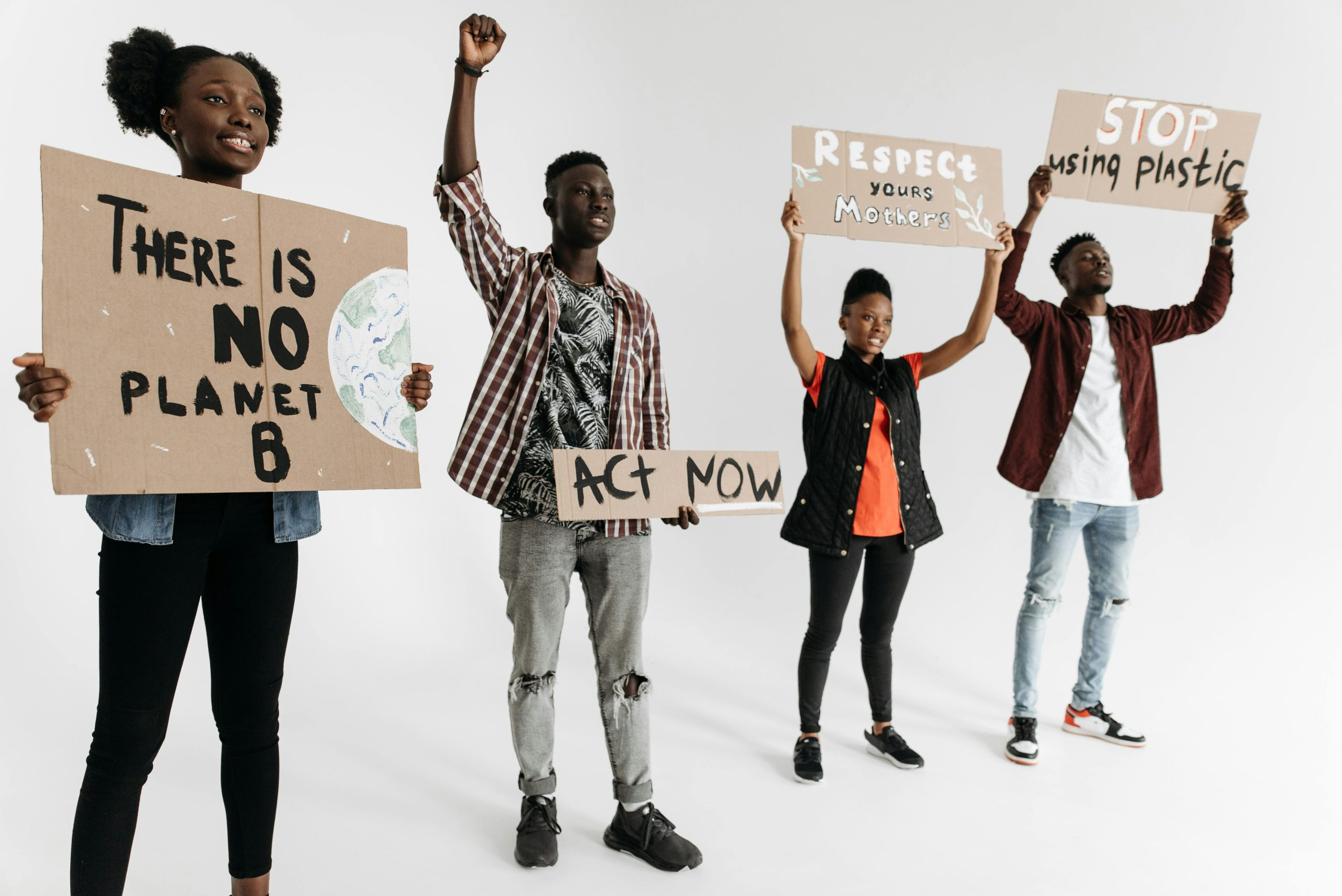
The Current State of Touring and Its Environmental Impact
Touring has always been an essential aspect of the music industry, with artists traveling to multiple cities and countries to perform concerts for their fans. However, this comes at a cost to the environment. The constant travel by air and land contributes to carbon emissions, and the production of stages and props also have a negative impact on the environment.
According to a study by the University of Oxford, a typical European music festival emits over 19,000 tonnes of carbon dioxide, equivalent to the annual emissions of over 3,000 households. This staggering number is just from one festival, and it doesn’t even include the emissions from touring acts. With major artists touring continuously throughout the year and playing at multiple festivals, the environmental impact is significant and cannot be ignored any longer.
Steps Towards Sustainable Touring
Thankfully, there has been a shift towards sustainability in the music industry in recent years. Many major artists have started taking steps to reduce their environmental impact while on tour. Coldplay, for example, pledged to only go on environmentally-friendly tours from now on, while artists like Billie Eilish and Jack Johnson have actively promoted sustainability and made efforts to reduce their carbon footprint.
Greening the Transportation
The most significant contribution to carbon emissions in touring comes from transportation. To tackle this issue, some artists have started incorporating eco-friendly initiatives into their touring. In 2019, the legendary rock band Pearl Jam used eco-friendly biodiesel to power the trucks and buses for their tour, reducing their carbon emissions by 6,500 pounds. Other acts have also started using electric or hybrid vehicles for their tours, significantly reducing their carbon footprint.
Reducing Waste and Promoting Recycling
Touring also results in a considerable amount of waste, with plastic bottles, food packaging, and merchandise being major contributors. To tackle this issue, many artists have started advocating for recycling and encouraging fans to bring their reusable water bottles and recycle any waste. Music festivals like Glastonbury have also implemented a ban on single-use plastic and offer alternatives like water refill stations to reduce plastic waste.
Using Sustainable Materials and Production
The production of stages and props for touring also has a significant environmental impact. To be more sustainable, artists can use eco-friendly materials like sustainable wood and recycled materials for their stage and prop designs. The design company Critical Designed has taken this approach and created a touring stage made entirely from recycled materials for the artist Jack Johnson.
The Future of Sustainable Touring
While many artists have taken steps towards sustainable touring, there is still much more that can be done. One of the most significant changes that can be made is reducing the number of shows in a tour. This not only reduces carbon emissions but also improves the quality of the shows. With fewer shows, artists can put more time and effort into each performance, creating a more memorable experience for fans.
Virtual touring is also becoming a popular alternative, especially in light of the current pandemic. Artists can perform live concerts through online platforms, reducing the need for travel and the carbon emissions associated with touring.
The introduction of technology in touring can also make it more sustainable. Instead of physical props and stages, artists can use digital projections and augmented reality, reducing the need for transportation and material consumption.
Conclusion
The future of sustainable touring for major global acts is bright, with more artists realizing the importance of reducing their environmental impact. As fans, we can also play a role in promoting sustainability by choosing to support and attend shows that prioritize the environment. With continued efforts from both artists and fans, we can ensure that the music industry moves towards a more sustainable future, one concert at a time.