
Exploring The Legacy Of Punk Rock On Modern DIY
Punk rock is more than just a music genre – it’s a lifestyle and a culture that has left a lasting impact on the DIY (do-it-yourself) scene. While it emerged in the 1970s as a response to the mainstream music industry, its influence is still evident in various subcultures and creative circles today. In this article, we’ll dive into the legacy of punk rock and how it has shaped and continues to influence the DIY scene in modern times.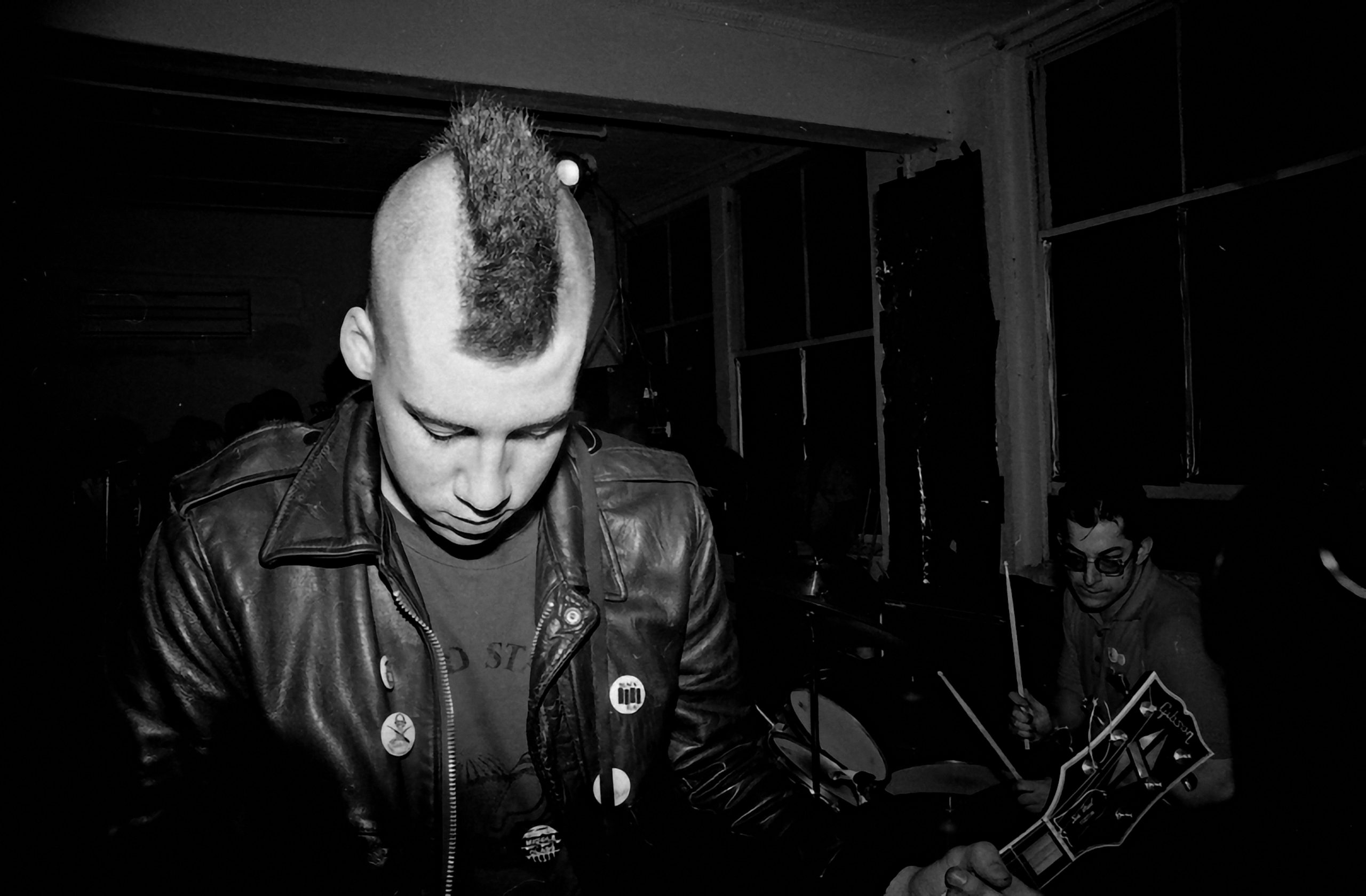
The Roots of Punk Rock
Punk rock originated in the mid-1970s in the United States and United Kingdom. It was a reaction to the dominant music of the time, which was becoming increasingly commercialized and mainstream. Punk rock musicians rejected the polished and overly produced sound of mainstream music and instead embraced a raw and simplistic aesthetic. This DIY approach to music production and distribution was a defining characteristic of the punk movement and would go on to influence the DIY culture that emerged in its wake.
The DIY Ethos in Punk Rock
One of the core values of punk rock is self-sufficiency – the idea that individuals can create and promote their own music without relying on major record labels. The DIY ethos in punk rock was evident in everything from the music itself to the artwork and promotional materials. Musicians would often record their own music in basements and garages, and they would create their own merchandise and zines to promote their music.
This DIY approach not only allowed punk rock musicians to maintain artistic control over their work, but it also created a sense of community and solidarity among artists. DIY shows, often held in unconventional spaces like warehouses and basements, provided a platform for emerging punk bands to showcase their music and develop a loyal following.
The Influence of Punk Rock on Modern DIY
The legacy of punk rock lives on in the modern DIY scene, with its impact stretching far beyond just the music industry. It has influenced everything from fashion to art and has paved the way for other counterculture movements to thrive. The DIY ethos of self-expression and self-empowerment is still at the heart of many DIY initiatives today.
DIY in Music
Punk rock’s influence is most evident in the independent music scene, with many underground bands embracing the DIY approach to music production and promotion. With the rise of digital platforms like YouTube and Bandcamp, artists can easily distribute their music without the need for a record label. This has led to a democratization of the music industry, providing more opportunities for emerging artists to showcase their work.
Additionally, punk rock’s anti-establishment attitude and commitment to social and political issues have also influenced modern independent musicians to use their platforms to address important issues and drive change.
DIY in Art and Fashion
The punk rock aesthetic remains a staple in alternative fashion and art. The DIY approach of creating unique and unconventional pieces has been adopted by designers and artists who continue to push the boundaries and challenge traditional standards. DIY zines and fanzines, popular in the punk era, have also made a comeback in the digital age, with individuals creating their own publications to showcase their passion for art and culture.
In Conclusion
The legacy of punk rock on modern DIY can be seen in various aspects of our lives, from music to art and fashion. The DIY ethos of self-expression, self-empowerment, and rejection of mainstream norms continue to inspire individuals to create and innovate in their own unique ways. While punk rock may have emerged as a rebellion against the music industry, its influence has extended far beyond that, shaping and inspiring a diverse and vibrant DIY culture that continues to thrive today.