Exploring The Vibrant World Of Spices In Traditional Indian Cuisine
Welcome to the vibrant world of traditional Indian cuisine, where every dish is a burst of flavors and aromas. At the heart of this cuisine lies a key element – spices. From the fiery red of chili powder to the earthy brown of cumin, the world of Indian spices is a diverse and rich one. In this article, we will explore the role of spices in traditional Indian cuisine and how they enhance the taste, color, and aroma of these dishes. So, let’s embark on a journey through the colorful and flavorful world of Indian spices.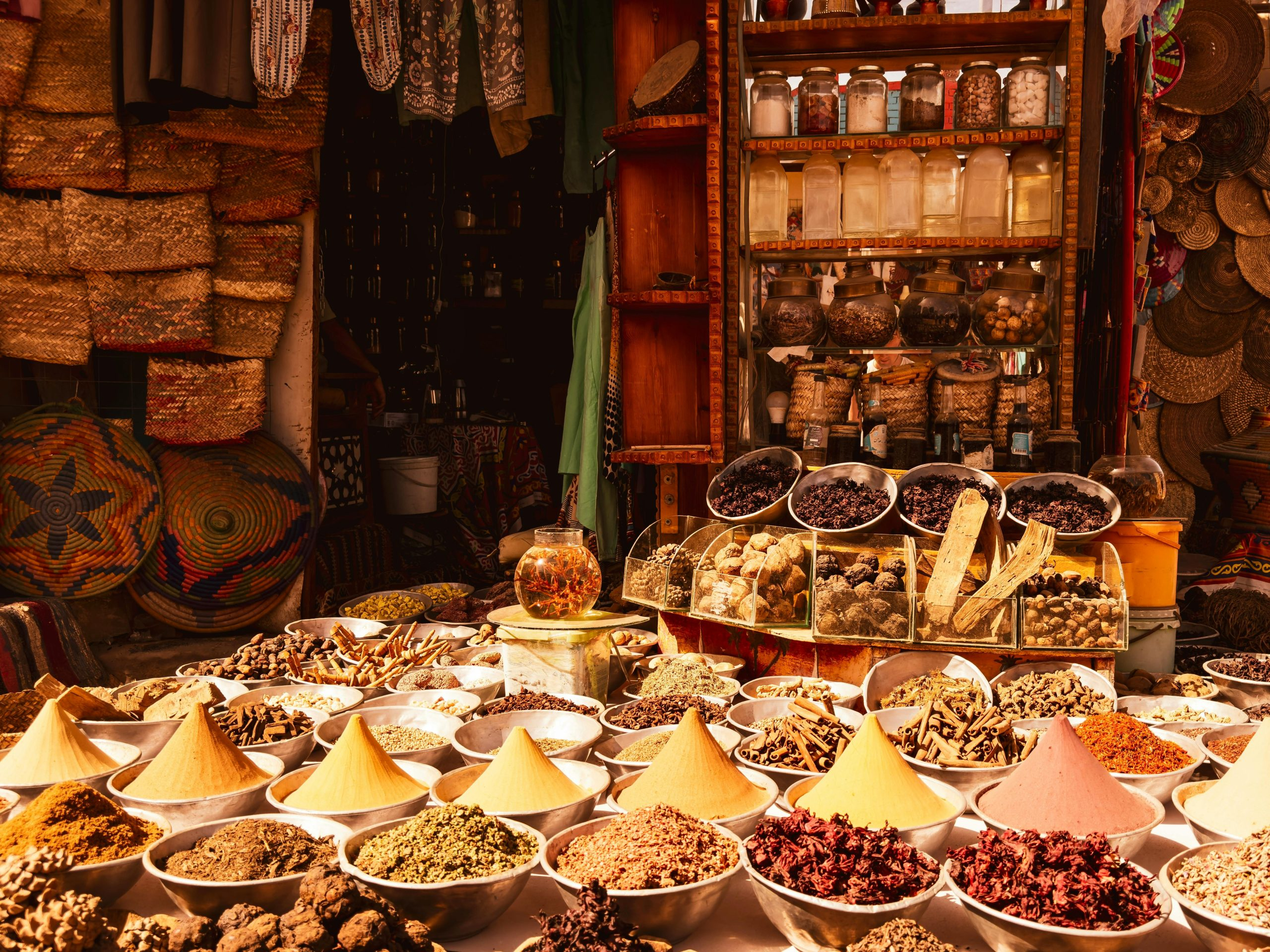
The Significance of Spices in Indian Cuisine
In Indian cuisine, spices play a crucial role and are considered the soul of the dish. They are used not only for adding flavor and aroma but also for their medicinal properties. According to Ayurveda, an ancient Indian medical system, spices have various health benefits and can balance the body and mind. This is one of the reasons why spices are extensively used in Indian cooking.
The use of spices in Indian cuisine can be traced back to ancient times. In fact, India is known as the land of spices, and its spice trade with the rest of the world dates back to thousands of years. India has a tropical climate, which is conducive to the growth of a variety of spices. This has made Indian spices an integral part of not only the local cuisine but also global cuisines.
Furthermore, spices are not just used for curries or gravies, but also in drinks, snacks, and desserts. Each spice has a unique flavor and is used in a different way to create a balance of flavors in a dish.
The Diversity of Indian Spices
India is home to a vast variety of spices, with each region having its own unique blend of flavors. Some of the most commonly used spices in Indian cuisine are:
1. Turmeric
This bright yellow spice is known for its anti-inflammatory and antioxidant properties. It is used in almost every Indian dish, lending a vibrant color and flavor to the dish.
2. Cumin
Cumin has a distinctive nutty and earthy flavor and is used in both whole and powder form in Indian dishes. It is known for its digestive properties and is a staple in many Indian households.
3. Coriander
Coriander is the seed of the cilantro plant and is a popular spice in Indian cuisine. It has a warm, spicy, and slightly nutty flavor. It is used in curries, chutneys, and as a garnish in many dishes.
4. Garam Masala
Garam masala is a blend of various spices like cumin, coriander, cardamom, cinnamon, and cloves. It is used to add a warm and spicy flavor to dishes and is a must-have in every Indian kitchen.
5. Mustard Seeds
Mustard seeds are commonly used in Indian pickles, chutneys, and curries. They have a pungent flavor and are used either whole or ground into a paste.
How Spices are Used in Indian Cuisine
In Indian cuisine, spices are used in different forms, each contributing to the overall flavor and aroma of the dish. Some common ways of using spices are:
1. Tempering
Tempering or tadka is a popular method used in Indian cooking, where spices are heated in oil or ghee until they release their aromas and are then added to the dish. This technique helps in infusing the dish with the flavors of the spices.
2. Dry Roasting
A common method used to enhance the flavor of spices is dry roasting. It involves heating the spices in a pan until they are fragrant and then grinding them into a powder to be used in dishes.
3. Spice Blends
Different blends of spices are used in Indian cuisine to create a balance of flavors. These blends vary from region to region and are used to add depth and complexity to dishes.
Conclusion
In conclusion, the use of spices in traditional Indian cuisine is not just for flavor but also for their medicinal properties. These spices add a burst of flavors, colors, and aromas to dishes, making them not only delicious but also beneficial for health. The vibrant world of Indian spices is essential to the identity of the cuisine, and a meal is incomplete without their presence. Next time you indulge in a traditional Indian dish, remember the role of spices in creating a symphony of flavors on your palate.