
Exploring The Cultural Heritage Of Traditional Japanese Indigo Dyeing
Japan is known for its rich cultural heritage and tradition, with each aspect representing a unique blend of history, beauty, and craftsmanship. One such tradition that has stood the test of time and continues to captivate people around the world is the art of Japanese indigo dyeing. This traditional dyeing technique involves using natural indigo plant leaves to create stunning shades of blue on various fabrics. Not only is indigo dyeing a treat for the eyes, but it also holds great cultural significance in Japanese history. In this article, we will explore the cultural heritage of traditional Japanese indigo dyeing and its continued relevance in modern times.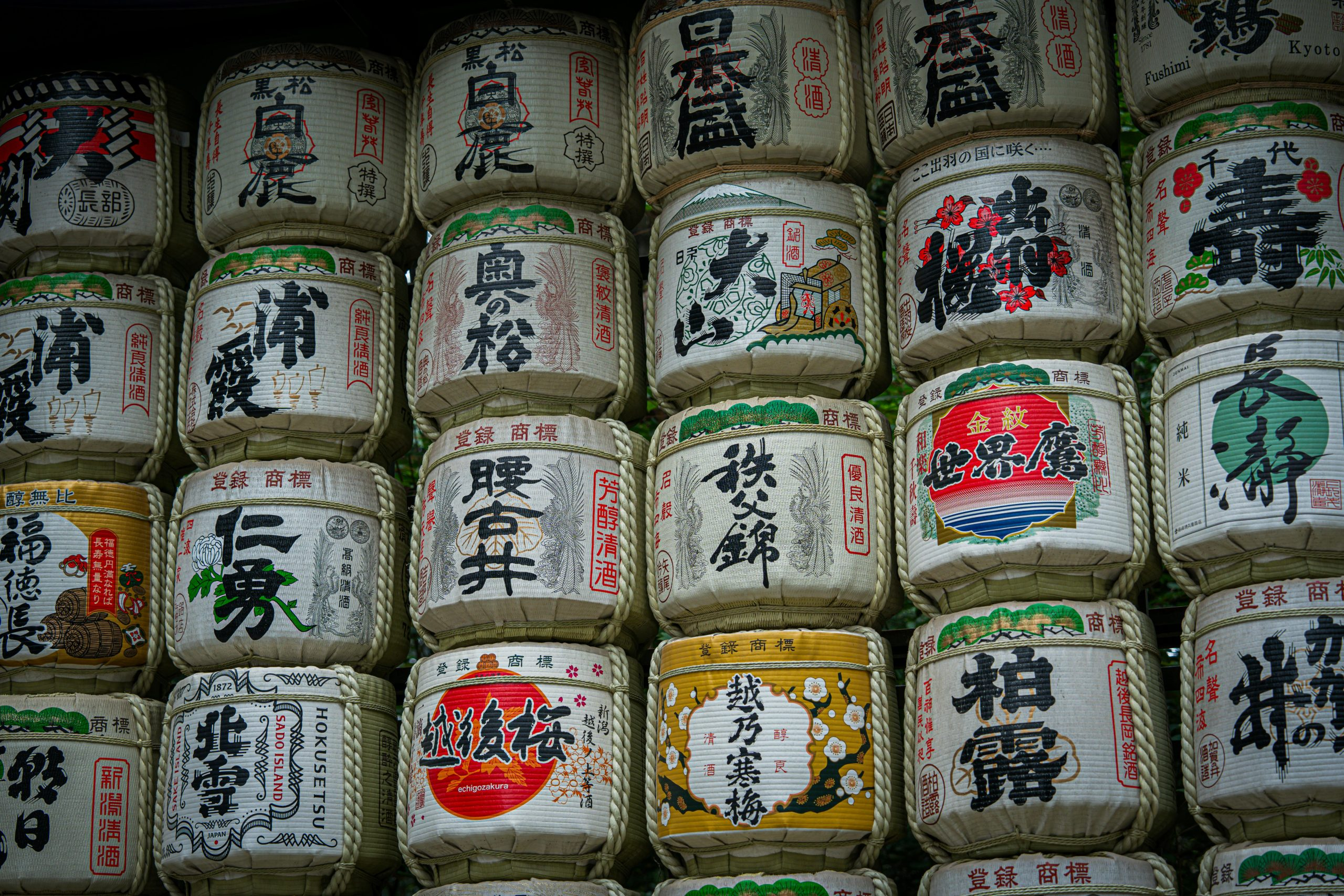
The Origin of Japanese Indigo Dyeing
The art of indigo dyeing was introduced to Japan from China in the 6th century. However, it was not until the 16th century that indigo dyeing gained popularity and became an integral part of Japanese culture. During this time, Japan was heavily influenced by Zen Buddhism, which placed great importance on simplicity and natural beauty. This philosophy translated into various aspects of Japanese life, including their clothing and textiles. Indigo dyeing was seen as the perfect embodiment of this philosophy, as it involved natural materials and created beautiful, understated designs.
The Traditional Dyeing Process
Traditional Japanese indigo dyeing, also known as “aizome,” involves a meticulous and time-consuming process. First, the indigo leaves are fermented and mixed with lye and sake to create a concentrated indigo dye. Then, the fabric is soaked in this dye solution multiple times, allowing it to oxidize and achieve the desired hue. The more times the fabric is dipped, the darker the shade of blue will be. The dyeing process also involves several other steps, including rinsing, drying, and adding a special kind of resin to enhance the color and prevent fading.
The Importance of Indigo Dyeing in Japanese Culture
Indigo dyeing holds immense cultural significance in Japan and is deeply intertwined with the country’s history and traditions. In the past, indigo-dyed fabrics were worn by aristocrats and samurais, symbolizing their social status and adherence to traditional values. The color blue was also considered sacred and believed to ward off evil spirits, making indigo-dyed garments popular among the common people as well. Today, indigo dyeing is still deeply rooted in Japanese culture and is used in various everyday items, such as clothing, home furnishings, and even food packaging.
The Revival of Traditional Indigo Dyeing Techniques
With the advent of modern synthetic dyes, traditional indigo dyeing techniques started to decline. However, in recent years, there has been a growing trend of reviving these ancient dyeing techniques as people seek to reconnect with their cultural roots and embrace sustainable practices. In Japan, there are several workshops and schools that offer classes on traditional indigo dyeing, allowing people to learn and experience this beautiful art form firsthand.
In Conclusion
Japanese indigo dyeing is not just a simple dyeing technique; it is a form of art that has been passed down through generations, preserving the country’s cultural heritage. It is an embodiment of Japan’s values of simplicity, natural beauty, and craftsmanship and continues to be a source of inspiration for designers and artists worldwide. So the next time you come across a beautiful indigo-dyed fabric, take a moment to appreciate the rich cultural heritage and skill that went into creating it.