Adapting Special Education Curriculums For Remote Learning Environments
In the wake of the COVID-19 pandemic, many schools and education systems around the world have been forced to shift to a remote learning model. While this has presented challenges for all students, it has been especially difficult for those with special needs. Special education curriculums are designed to provide tailored instruction and support for students with disabilities, but they often rely heavily on in-person interactions and hands-on learning. In this article, we will discuss the challenges of adapting these curriculums for remote learning environments and explore strategies for ensuring that students with special needs continue to receive the education and support they need during these difficult times.
The Challenges of Remote Learning for Special Education
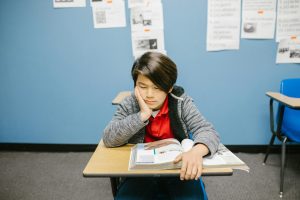
Special education curriculums are designed to meet the unique needs of students with disabilities. These curriculums often involve one-on-one support, specialized equipment, or modifications to the traditional curriculum. Remote learning presents many challenges to delivering this type of education. First and foremost, the lack of in-person instruction and support can make it difficult for students to fully engage in the learning process. Additionally, many students with disabilities may struggle with technology or have difficulty accessing the necessary tools and resources for remote learning.
The Importance of Flexibility in Special Education Curriculums
In order to successfully adapt special education curriculums for remote learning, it is important for educators to have a flexible mindset. Traditional teaching methods may not work in a virtual environment, and it is essential for teachers to be willing to try new strategies and make adjustments as needed. This can be challenging, especially for teachers who have been using the same methods for years, but it is crucial for the success of students with special needs.
Using Technology to Enhance Learning
While technology can present challenges for students with disabilities, it can also be a powerful tool for enhancing their learning experience. There are a variety of software and apps available that are specifically designed to support students with disabilities, such as text-to-speech programs or speech-to-text software. By incorporating these tools into the remote learning curriculum, teachers can make learning more accessible and engaging for their students.
Tips for Adapting Special Education Curriculums
Communicate with Parents and Caregivers
Parents and caregivers play a crucial role in supporting students with special needs during remote learning. It is important for teachers to establish open lines of communication with parents and caregivers to ensure that they understand the curriculum and are able to provide support and assistance as needed. Regular check-ins with parents can also help teachers identify any challenges or obstacles that students may be facing and make adjustments as needed.
Make use of Visual and Hands-on Learning
Many students with disabilities benefit from visual and hands-on learning activities. Teachers can adapt these types of activities for remote learning by using virtual tools and resources, such as interactive videos or online manipulatives. This can help to keep students engaged and motivated while also reinforcing important concepts and skills.
Provide Personalized Support
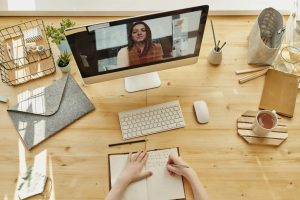
One of the biggest challenges of remote learning for students with special needs is the lack of personalized support. In a traditional classroom setting, teachers are able to provide individualized attention and support to students with disabilities. This may not be possible in a remote learning environment, but teachers can still make an effort to connect with their students and provide personalized support and feedback. This can be done through one-on-one video calls or by using virtual breakout rooms for small group instruction.
The Future of Special Education and Remote Learning
The shift to remote learning has highlighted the need for more innovation and flexibility in special education curriculums. While the challenges are significant, this shift has also opened up new opportunities for using technology to support students with disabilities. As we move forward, it will be important for educators to continue to explore and develop new strategies for adapting special education curriculums for remote learning environments.
Conclusion
The current global crisis has forced educators to find new ways to provide quality education to all students, including those with disabilities. Adapting special education curriculums for remote learning environments is undoubtedly challenging, but it is also an opportunity to innovate and find new ways to support students with special needs. By staying flexible, utilizing technology, and providing personalized support, teachers can ensure that their students continue to receive the education and support they need during these difficult times.