
Exploring The History Of Salt And Its Culinary Importance
Salt is an essential ingredient in most of our meals, adding flavor and enhancing the overall taste. It’s so ubiquitous that we often take it for granted, forgetting its long and rich history. The humble salt has played a vital role in shaping our world, from a highly valued commodity to a basic necessity. In this article, we will explore the history of salt and its culinary importance, taking a closer look at how it has influenced ancient civilizations and continues to be a crucial part of our modern diet.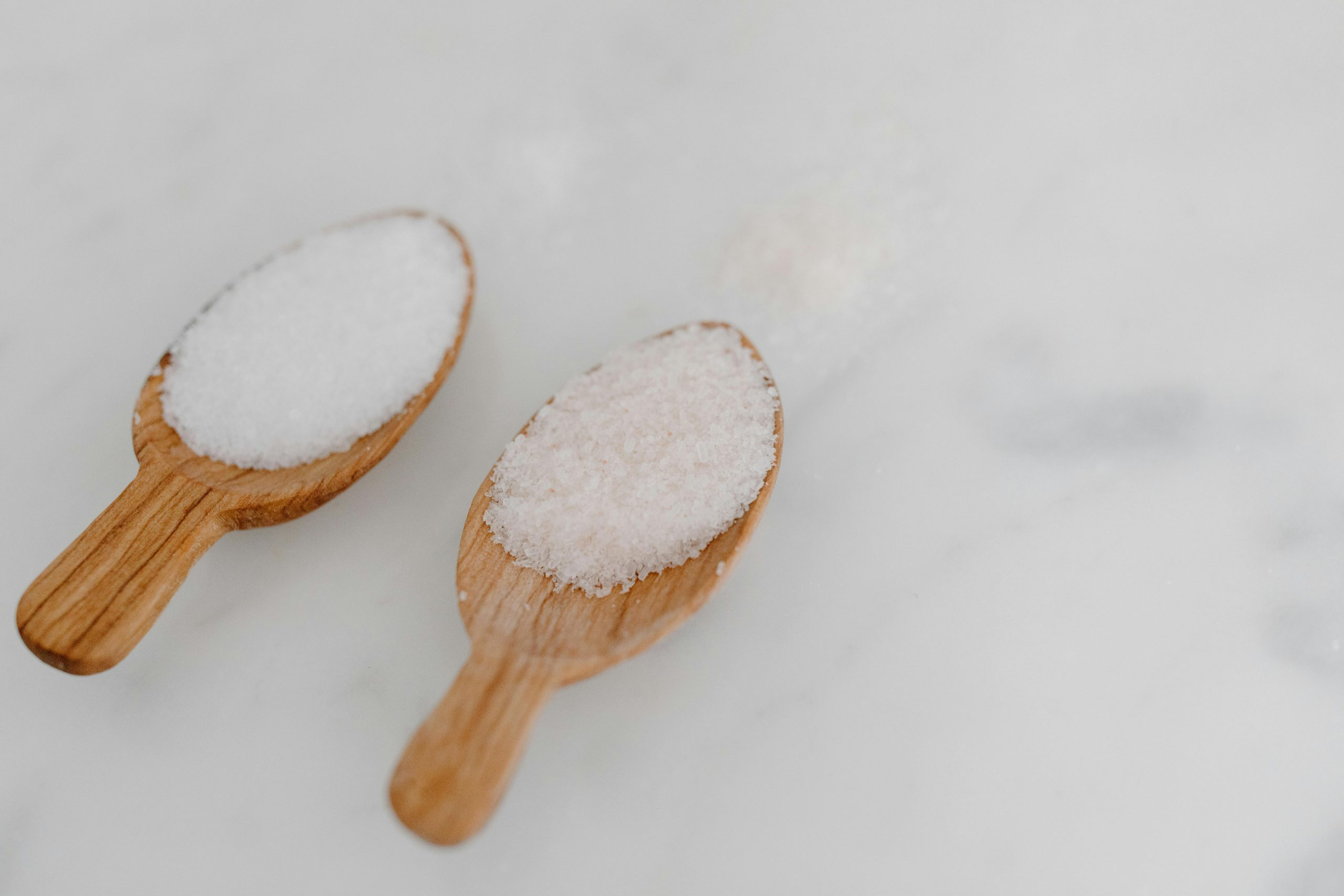
The Beginnings of Salt
The history of salt dates back to the earliest human civilizations, where it was considered a precious commodity and had immense value. Ancient civilizations such as the Greeks, Romans, and Egyptians used salt not only for culinary purposes but also for religious, medicinal, and economic reasons.
Salt as Currency
Salt was and still is, a valuable commodity, used as a trade good and often considered as valuable as gold. It was used as currency in many ancient civilizations, where it was traded for goods and services. The word “salary” comes from the Latin word “sal,” which means salt. Roman soldiers were sometimes paid in salt, and the value of a person was determined by the amount of salt they were worth, giving birth to the phrase “worth one’s salt.”
Salt in Religious Ceremonies
In many ancient religions, salt played a crucial role in various ceremonies and rituals. The ancient Egyptians used salt in their embalming process, believing it had purifying powers. In Judaism, salt is a vital component of sacrifices, and in Hinduism, it’s used to purify and sanctify holy spaces and objects.
The Discovery of Salt’s Culinary Importance
Throughout history, salt’s primary use has been for preservation. Salt was an essential ingredient for preserving food in ancient times when refrigeration was not yet invented. It was also used for pickling and fermenting food, which allowed people to have access to certain foods throughout the year.
Salt in Cooking
The culinary importance of salt was discovered over time, as people realized that it added flavor and enhanced the taste of food. Today, salt is used in cooking to bring out the natural flavors of food and to balance out sweet and savory flavors. It’s also used as a seasoning and a vital ingredient in most recipes. Without salt, our food would taste bland and unappetizing.
Salt in Different Cuisines
Salt is a crucial ingredient in various cuisines, from Asian to Mediterranean, and is used differently in each. In Asian cuisine, salt is often used sparingly, while in Mediterranean cuisine, it’s used generously. In some cultures, salt is used as a condiment, sprinkled on top of food, while in others, it’s used during cooking.
The Impact of Salt on Society
Salt’s importance goes beyond just food and trade; it has also had a significant impact on society as a whole. It has played a crucial role in shaping world history, from influencing trade and economy to causing conflicts and wars.
Salt and Exploration
The discovery of salt deposits in different parts of the world led to various exploration and trade routes. The Silk Road, an ancient trade route connecting Asia to Europe, was an important trade route for salt, among other commodities. The demand for salt also led to the exploration of new lands and the colonization of these lands.
Salt and Revolutions
During colonial times in India, the British imposed a salt tax, which led to the famous Salt Satyagraha, a nonviolent resistance movement initiated by Mahatma Gandhi. The movement had a significant impact on India’s independence struggle, highlighting the power of salt and its influence on society.
The Future of Salt
Today, salt is readily available and affordable, and its culinary importance continues to thrive. However, with the rise of health concerns related to salt consumption, there has been a growing trend towards reducing salt intake and using alternative seasonings in cooking.
Reducing Salt Consumption
Excessive consumption of salt has been linked to various health problems, such as high blood pressure, heart disease, and stroke. As a result, there has been a growing trend towards reducing salt intake and using alternative seasonings in cooking, such as herbs and spices.
Salt Alternatives
With the rise in health consciousness, there has been an increase in the popularity of salt alternatives, such as Himalayan pink salt, sea salt, and black salt. These alternatives are often marketed as healthier choices, containing essential minerals and being less processed than table salt.
In Conclusion
The history of salt is a fascinating journey that has influenced ancient civilizations and continues to play a vital role in our daily lives. Whether it’s as currency, a seasoning, or a trade commodity, salt’s impact on society is undeniable. As we move towards healthier lifestyle choices, the role of salt in our diets may change, but one thing is for sure, its culinary importance will continue to prevail.