
Essential Tips For First Time Landlords Managing Residential Units
Being a first-time landlord can be both exciting and overwhelming. Purchasing a residential property and turning it into a rental unit can be a lucrative investment, but it also comes with a host of responsibilities. From finding the right tenants to managing maintenance and financials, there is a lot to keep track of. As a first-time landlord, it is essential to have a good understanding of what it takes to successfully manage your residential units. In this article, we will discuss some essential tips that can help you navigate this new venture with confidence.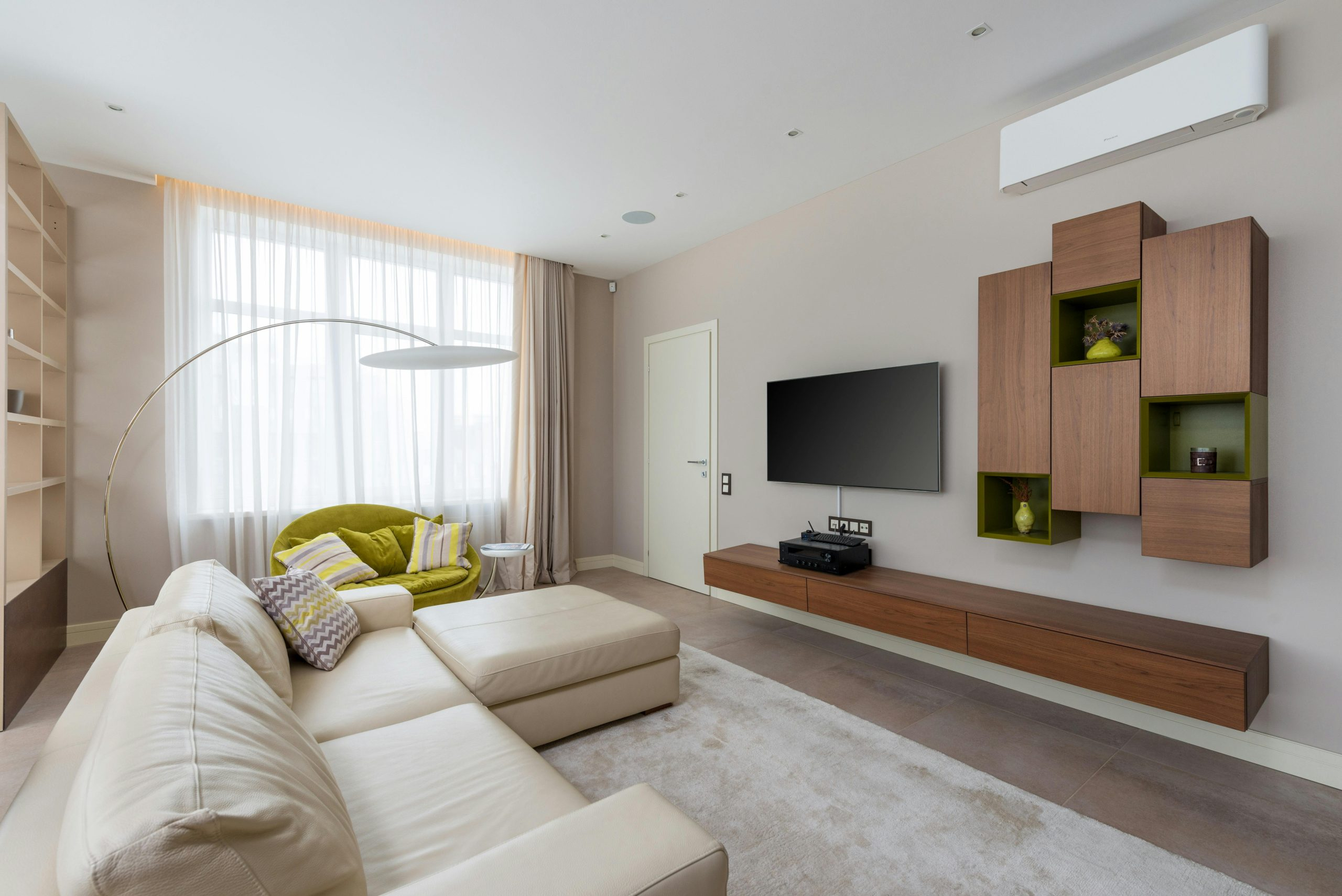
Setting Expectations with Tenants
The first and arguably most crucial tip for first-time landlords is to set clear expectations with their tenants. Before signing a lease agreement, it is essential to have open and honest communication with potential tenants about what you expect from them. This includes being on time with rent payments, adhering to the rules and regulations of the property, and promptly reporting any maintenance issues. By setting these expectations early on, you can avoid potential conflicts and create a more harmonious living environment for both you and your tenants.
Invest in Quality Property Management Software
Managing a residential unit and its tenants can be a daunting task, especially if you have multiple properties. Investing in quality property management software can make your life a lot easier. These tools can help you keep track of rent payments, maintenance requests, lease agreements, and much more. With the right software, you can easily stay organized and on top of your properties’ management.
Make Maintenance a Priority
Maintaining your property should be a top priority for any landlord. Regular maintenance can help prevent small issues from becoming bigger, more costly problems in the future. As a first-time landlord, it is crucial to establish a routine for property maintenance. This includes things like regularly changing air filters, inspecting for any potential hazards, and addressing any tenant complaints or maintenance requests promptly. By investing in your property’s maintenance, you can ensure that your tenants are happy, and your property retains its value over time.
Know the Laws and Regulations
As a landlord, it is your responsibility to ensure that your property is in compliance with all local, state, and federal laws and regulations. This includes property and building codes, fair housing laws, and tenant-landlord laws. It is essential to familiarize yourself with these laws and regulations to avoid any legal issues. You may also want to consider consulting with a lawyer or joining a local landlord association to stay up to date on any changes in laws and regulations that may affect your property.
Keep Accurate Financial Records
A common mistake that first-time landlords make is not keeping accurate financial records. It is crucial to keep track of all expenses related to your rental property, including mortgage payments, property taxes, repairs, and maintenance costs. This will not only help you stay on top of your finances, but it will also make tax season less stressful. Keeping accurate financial records can also provide you with valuable insights into the profitability of your property and help you make informed business decisions in the future.
Communicate Openly with Tenants
Effective communication is essential for any successful landlord-tenant relationship. As a first-time landlord, it is your responsibility to establish open and honest communication with your tenants. This includes promptly addressing any issues or concerns they may have and keeping them informed about any changes or updates within the property. By maintaining good communication, you can build trust with your tenants and create a more positive living environment.
In Conclusion
Being a first-time landlord can be a challenging but rewarding experience. By following these essential tips, you can set yourself up for success in managing your residential units. Remember always to communicate openly with your tenants, invest in quality property management software, and stay on top of maintenance and financials. With dedication and a bit of research, you can become a successful landlord and build a thriving rental business.