
Teaching Global Citizenship Through International Student Exchange Programs
In today’s society, it is becoming increasingly important for individuals to have a global perspective. With the rise of globalization and interconnectedness, the ability to understand and navigate different cultures has become a crucial skill. This is where international student exchange programs come into play. These programs not only provide students with the opportunity to immerse themselves in a different culture, but also teach them about global citizenship. In this article, we will explore the concept of global citizenship and how international student exchange programs play a vital role in teaching it.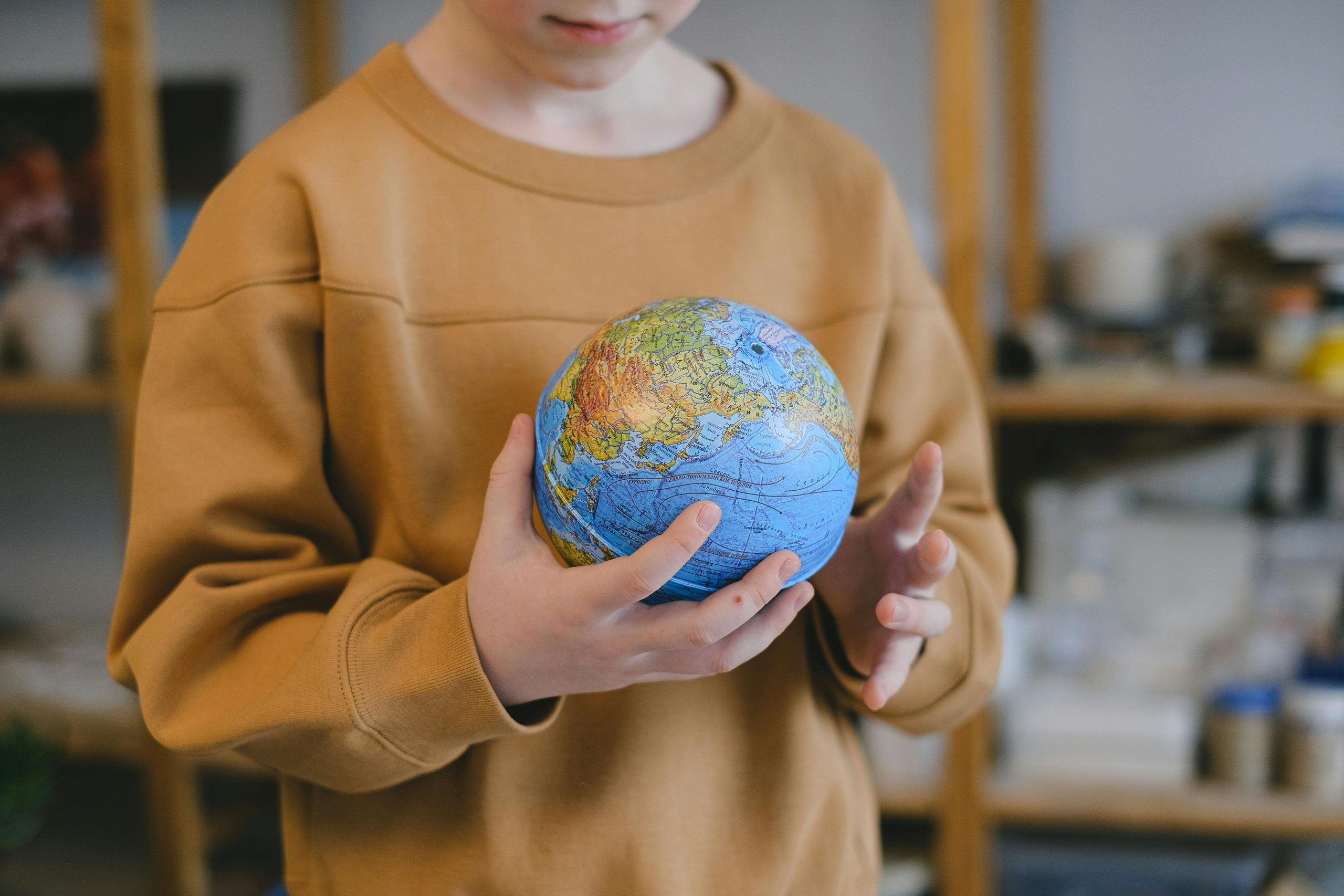
The Importance of Global Citizenship
Global citizenship can be defined as the ability to understand and think critically about global issues, appreciate cultural diversity, and actively participate in making the world a better place. It goes beyond just being a citizen of one’s own country and extends to being a responsible member of the global community.
In today’s interconnected world, global citizenship is a vital skill for individuals to have. It allows them to have a broader perspective and acknowledge the interconnectedness of different societies, cultures, and economies. With this understanding, individuals are better equipped to tackle global issues such as climate change, poverty, and human rights violations.
International Student Exchange Programs as a Tool for Teaching Global Citizenship
International student exchange programs provide students with an opportunity to study in a different country and experience a new culture. It allows them to step out of their comfort zone, interact with people from diverse backgrounds, and gain a deeper understanding of different cultures and customs.
Through these programs, students are exposed to different ways of thinking and living, which expands their worldview. They learn to appreciate and respect cultural differences and develop empathy towards people from different backgrounds. This understanding of cultural diversity is a key aspect of global citizenship.
Moreover, international student exchange programs also promote critical thinking and problem-solving skills. As students navigate a new environment and encounter different challenges, they learn to think creatively and adapt to unfamiliar situations. These skills are essential for individuals to become successful global citizens.
The Role of Language in International Student Exchange Programs
Language is an integral part of a culture and plays a significant role in shaping one’s perspective. Through international student exchange programs, students have the opportunity to immerse themselves in a new language. It not only helps them to communicate with others but also provides a deeper understanding of the culture and its values.
Becoming fluent in a new language also allows students to interact with people from different backgrounds and engage in meaningful conversations. This not only enhances their cultural knowledge but also develops their communication and intercultural skills, which are essential for global citizenship.
Real-life Example: The Erasmus+ Program
The Erasmus+ program is one of the most well-known international student exchange programs in Europe. It provides students with the opportunity to study or take up an internship in a different country. The program has been successful in promoting cultural exchange and cooperation among European countries and has produced thousands of global citizens.
One example is UK-based student, Hannah, who participated in the Erasmus+ program and studied in Germany. She shares, “My experience in Germany broadened my perspective and made me realise the interconnectedness of different cultures. I learned to appreciate the little things, like the German tradition of having coffee and cake in the afternoon, which is so different from back home. It was a life-changing experience that taught me to be a global citizen.”
Conclusion
In conclusion, international student exchange programs are not just about studying abroad, they are about shaping individuals into global citizens. These programs provide students with the necessary skills and knowledge to navigate the complexities of our increasingly interconnected world. By understanding and appreciating different cultures, speaking foreign languages, and developing critical thinking skills, students are better equipped to become active and responsible members of the global community.
So, if you are looking to become a global citizen, consider participating in an international student exchange program. It may just be the experience of a lifetime that will shape you into a well-rounded individual with a global perspective.