Exploring The Psychedelic Sounds Of The Late 1960s Era
The late 1960s was a decade of significant cultural and social change, and one of the most influential aspects of this period was the rise of psychedelic music. This genre was characterized by its experimental nature, use of unconventional instruments and sounds, and lyrics often inspired by psychedelic experiences and countercultural ideologies. In this article, we will take a deep dive into the origins and evolution of psychedelic music during the late 1960s era, and explore its lasting impact on modern music.
The Roots of Psychedelic Music
The origins of psychedelic music can be traced back to the mid-1960s, when the counterculture movement was gaining momentum in the United States and Europe. The term “psychedelic” was coined by author Aldous Huxley in his book ‘The Doors of Perception’, which explored the mind-altering effects of substances like LSD and psilocybin.
As the use of these drugs became more widespread, musicians began experimenting with them, both as a source of inspiration and as a means to enhance their creativity. Artists like The Beatles, The Grateful Dead, and Pink Floyd were among the early pioneers of psychedelic music, incorporating elements of Indian classical music, avant-garde techniques, and improvisation into their compositions.
The Rise of Psychedelic Rock
One of the most dominant sub-genres of psychedelic music was psychedelic rock, which fused traditional rock music with psychedelic influences. This genre reached its peak in the late 1960s, with bands like Jefferson Airplane, Cream, and Jimi Hendrix Experience leading the way.
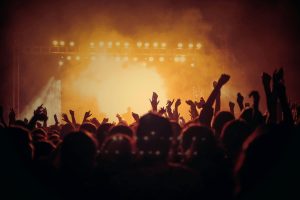
Psychedelic rock bands often embraced a more experimental approach to music-making, incorporating elements of jazz, blues, and folk into their sound. This was also reflected in their live performances, which often featured extended jam sessions and elaborate light shows to enhance the sensory experience.
The Sound of Psychedelia
The defining characteristics of psychedelic music were its innovative use of instrumentation and sound effects, which aimed to create a mind-altering experience for the listener. This was achieved through the use of unconventional instruments like sitar, tabla, and theremin, along with heavy distortion, feedback, and other electronic effects.
The lyrics of psychedelic songs often reflected the countercultural values of the era, promoting themes of peace, love, and spiritual enlightenment. Artists also drew inspiration from their own psychedelic experiences, creating abstract and often nonsensical lyrics that added to the overall dream-like quality of the music.
The Legacy of Psychedelic Music
While the popularity of psychedelic music declined by the early 1970s, its influence on modern music is undeniable. Many artists continue to incorporate elements of psychedelia into their music, from the use of trippy visuals and sounds to the exploration of psychedelic themes in their lyrics.
Moreover, the countercultural ideologies promoted by psychedelic music continue to resonate with current generations, influencing everything from fashion to social activism. And with the rise of modern genres like psychedelic pop and neo-psychedelia, it’s clear that the legacy of late 1960s psychedelic music is here to stay.
The Timeless Charm of Psychedelia
The late 1960s era was a time of immense experimentation and self-expression, and psychedelic music was at the forefront of this cultural revolution. Its influence can still be seen and heard in today’s music, making it a timeless and integral part of the music industry.
Whether you’re a die-hard fan of psychedelic music or just curious to explore this trippy genre, the late 1960s era is sure to leave a lasting impression on your musical tastes. So, put on your headphones, close your eyes, and transport yourself back to a time when peace, love, and good vibes reigned supreme.