
How Philosophy For Children Sparks Early Intellectual Curiosity Focus
Children are naturally curious beings, always eager to explore and make sense of the world around them. As parents and educators, we strive to nurture and encourage this curiosity in our children, as it plays a crucial role in their cognitive development. One effective approach that has gained popularity in recent years is philosophy for children. This unique method not only stimulates critical thinking and reasoning skills, but also ignites early intellectual curiosity in children. In this article, we will delve into how philosophy for children sparks early intellectual curiosity focus and the impact it has on a child’s overall development.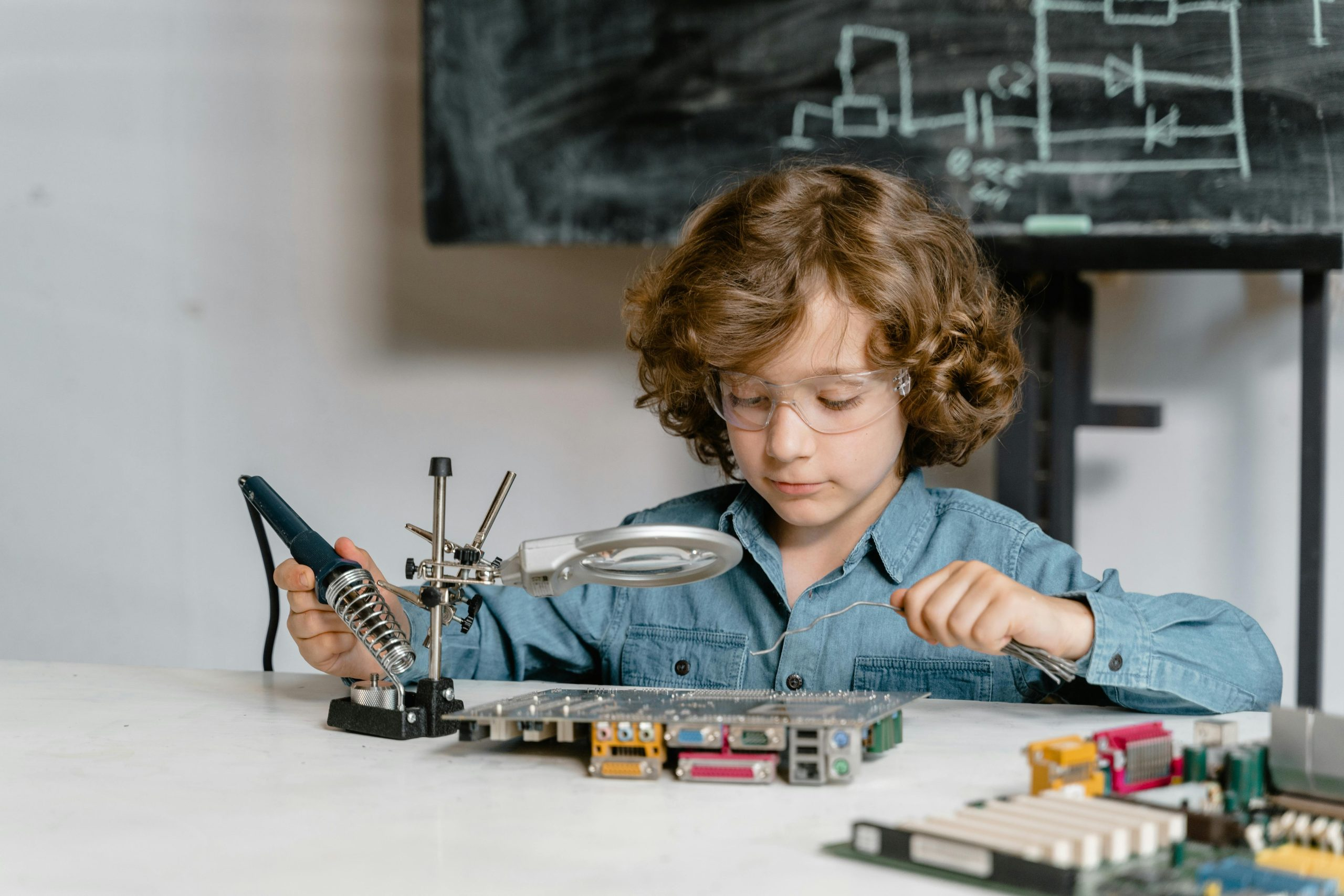
The Power of Early Intellectual Curiosity
Before we dive into the role of philosophy in fostering early intellectual curiosity, it is crucial to understand the importance of this curiosity in a child’s development. From a very young age, children are constantly questioning the world around them. They are naturally drawn to activities that involve exploration, experimentation, and problem-solving. This curiosity not only helps children learn new things but also promotes brain development and improves their overall cognitive abilities.
Early intellectual curiosity fuels a child’s desire to learn and discover, setting the foundation for a lifelong love of learning. It helps children develop critical thinking, creativity, problem-solving skills, and the ability to think outside the box. With a strong sense of curiosity, children are more likely to try new things, take risks, and persist in the face of challenges. These are all essential skills they will carry with them into adulthood.
How Philosophy for Children Enhances Intellectual Curiosity
Philosophy for children, also known as P4C, is an educational approach that introduces philosophical concepts and discussions to young children. It involves children engaging in open-ended and facilitated dialogue to explore deep questions and concepts about the world around them. This method has been proven to enhance a child’s ability to think critically, reason, and develop their own beliefs and perspectives.
One of the key elements of P4C is the emphasis on open-ended questions. Rather than seeking a specific answer, children are encouraged to explore various answers, and even more questions, leading to a deeper understanding and intellectual curiosity. This process helps children develop their critical thinking skills as they are forced to examine their own thoughts and beliefs and consider alternative viewpoints.
Another aspect of P4C that sparks early intellectual curiosity is the safe space created for children to express their thoughts and feelings without fear of judgment. This encourages children to ask more questions, voice their opinions, and engage in thoughtful discussions. As a result, children learn to be more confident in their ideas, develop their own sense of identity, and become more comfortable with the unknown.
The Impact of Early Intellectual Curiosity Focus
The benefits of fostering early intellectual curiosity in children through philosophy are far-reaching. Aside from developing critical thinking skills, philosophy for children can also enhance a child’s emotional and social intelligence. It encourages empathy, respect for others’ opinions, and the ability to communicate effectively. These are all essential skills for building strong relationships and becoming an active and engaged member of society.
Moreover, early intellectual curiosity sets the foundation for a child’s academic success. Children who are deeply curious are more likely to be motivated to learn and excel academically. They are also more likely to develop a growth mindset, which is crucial for continuous learning and improvement.
Conclusion
In a world where knowledge and information are easily accessible, fostering early intellectual curiosity has never been more critical. Philosophy for children offers a unique and effective approach to ignite this curiosity in young minds. By encouraging open-ended dialogue, promoting critical thinking, and creating a safe space for exploration, P4C sparks a child’s early intellectual curiosity focus, setting the stage for a lifetime of learning and growth.
So, let us embrace philosophy for children and nurture our children’s natural curiosity, for it is the fuel that drives their intellectual growth and development. As the Greek philosopher, Socrates said, “Wonder is the beginning of wisdom.”