The Secret To Perfecting Delicate French Pastries In Your Kitchen
French pastries are a delicacy loved by people all over the world for their light, flaky, and delicate texture. However, mastering the art of making perfect French pastries in your own kitchen can seem like an impossible task. But fear not, as we are here to reveal the secret to perfecting delicate French pastries in your very own kitchen! With this guide, you’ll be able to impress friends and family with your skills in no time. So, let’s get started with this Google SEO-optimized article on “The Secret To Perfecting Delicate French Pastries In Your Kitchen.”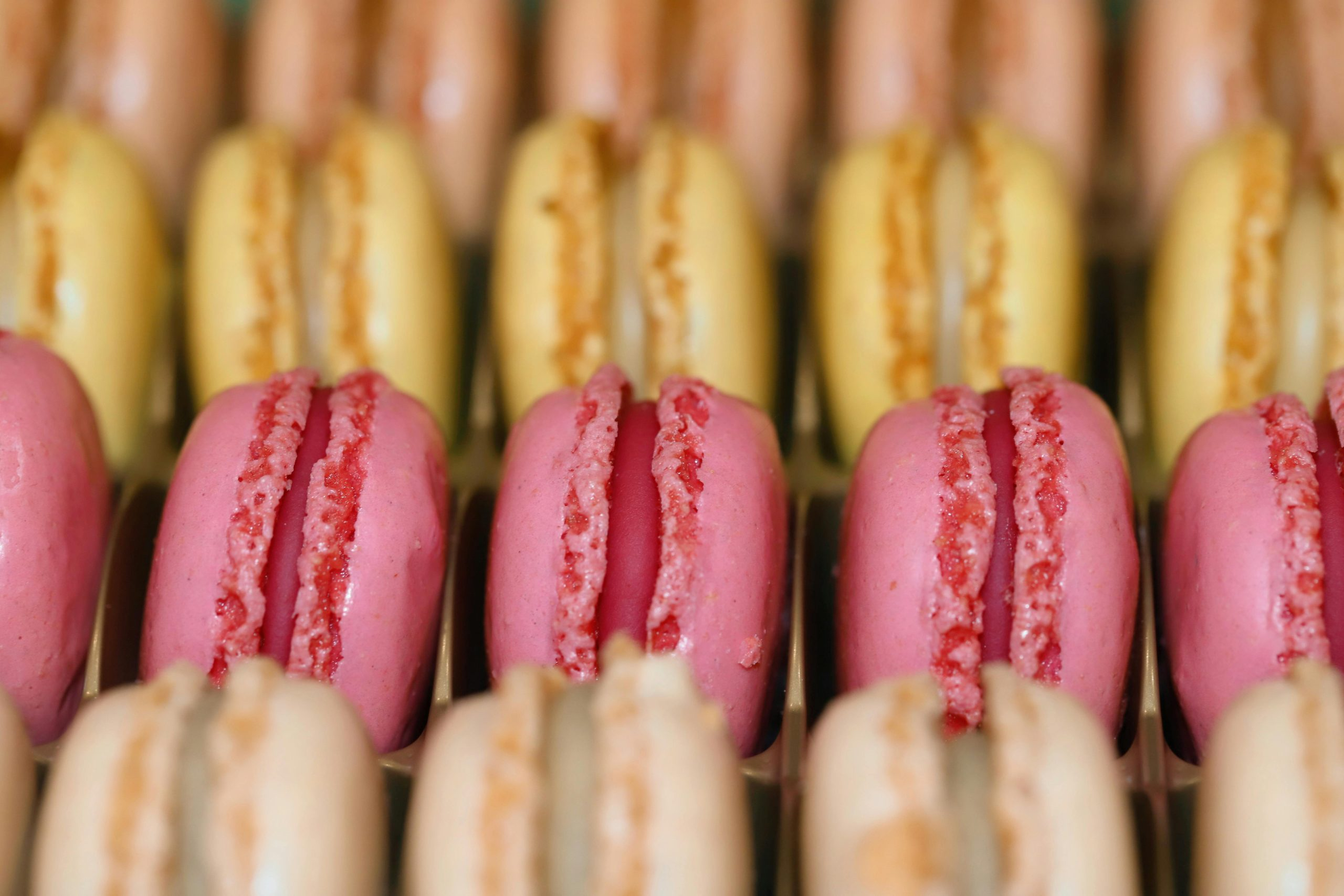
The Importance of Quality Ingredients
The key to any good pastry is to begin with high-quality ingredients. French pastries are all about simplicity, meaning that every ingredient counts and should be of the best quality. For instance, if your recipe calls for butter, opt for a high-fat European butter like Plugrá or Kerrygold. These butters have a richer taste and higher fat content, which will result in a flakier crust. Similarly, for flour, opt for unbleached all-purpose flour instead of bleached, as the latter contains additives that can affect the texture and taste of your pastries.
The Importance of Technique
While it’s important to use quality ingredients, the technique you use while making French pastries is equally as important. For instance, for a flaky and airy texture, it’s crucial to handle your dough with care and avoid overworking it. Overworking the dough can result in tough and dense pastries, which is not what we’re aiming for. A light touch and short, gentle strokes while rolling and kneading the dough will ensure that you achieve a delicate and flaky pastry crust.
The Role of Temperature
The temperature of your ingredients plays a vital role in perfecting delicate French pastries. It’s essential to keep your ingredients, especially the butter, as cold as possible while making the dough. The cold butter will create steam pockets in the dough, which, when baked, will result in a flaky crust. If the dough starts to feel sticky, pop it in the fridge for a few minutes before continuing to work on it. Similarly, if you’re working in a warm environment, keep the dough and the rolling surface cool by using a chilled marble or stainless steel surface.
The Importance of Resting Time
Just like any other baking process, French pastries require some resting time for the dough to relax and the gluten to develop. After you have made the dough, wrap it in plastic wrap and let it rest in the fridge for at least an hour before rolling it out, or as mentioned in the recipe. Resting the dough allows the gluten to relax and prevents the dough from shrinking or tearing while being rolled out. It also gives the butter time to solidify, making it easier to work with and resulting in flakier pastries.
The Final Touch – Egg Wash
If you want to add an extra layer of flavor and shine to your French pastries, this is the step you can’t skip! Egg wash, the mixture of beaten egg and a small amount of water or milk, is brushed on the surface of the pastries before baking. This not only adds a beautiful golden color to the pastries, but the proteins in the egg also contribute to a shiny crust and enhance the flavor. So, don’t forget the egg wash before you pop your pastries in the oven.
Mastering the Art of French Pastries
With the right ingredients, techniques, temperature, and resting time, you’ll be able to perfect delicate French pastries in the comfort of your own kitchen. Don’t be intimidated by the process; it might take a few tries to get it right, but the result will be worth every effort. So, put on your apron, gather your ingredients, and get ready to impress with your delicious and flaky French pastries! Bon appétit!
Now that you know the key to perfecting delicate French pastries, what are you waiting for? Get your baking tools out and try your hand at some classic recipes like croissants, pain au chocolat, or apple turnover. Trust us; there’s nothing quite like homemade, flaky French pastries fresh out of the oven!