
How To Navigate The Probate Process For Inherited Real Estate
Inheriting real estate from a loved one can be a bittersweet experience. On one hand, you are left with a valuable asset that could greatly benefit your financial future. On the other hand, the process of navigating the probate process to legally obtain ownership of the property can be overwhelming and confusing. In this article, we will guide you through the steps of navigating the probate process for inherited real estate, ensuring a smooth transition of ownership while also avoiding potential legal challenges and delays.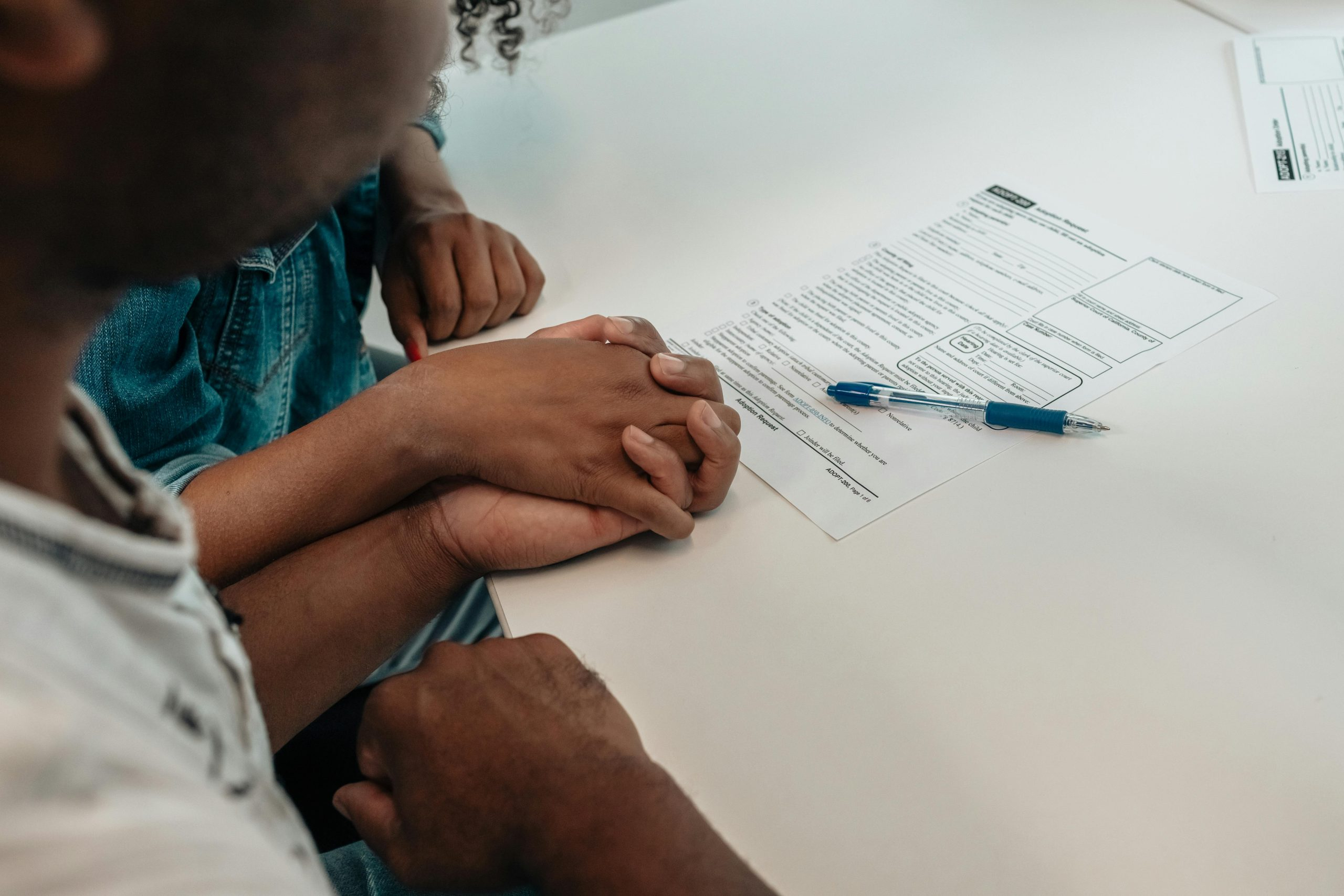
Educate Yourself on Probate Laws and Process
The first step to navigating the probate process for inherited real estate is to educate yourself on probate laws and the process itself. Each state has its own set of probate laws, so it is important to familiarize yourself with the specific laws in your state. Also, the probate process can vary depending on whether or not your loved one left a will. If a will was left, it is referred to as a “testate” estate, and if there was no will, it is referred to as an “intestate” estate. Understanding the differences between the two will help you determine the steps you need to take.
Obtain the Necessary Documents
In order to begin the probate process, you will need to gather all necessary documents related to the inherited property. This includes the original will, if there is one, as well as any other relevant legal documents such as the death certificate and property deed. It is important to have these documents organized and easily accessible throughout the probate process.
Appoint an Executor or Administrator
If your loved one left a will, they likely named an executor to handle their affairs after their passing. The executor is responsible for managing the probate process and ensuring that the wishes outlined in the will are carried out. If there is no will, the court will appoint an administrator to act as the executor. It is important to choose someone who is trustworthy, organized, and capable of handling legal and financial matters.
Identify and Notify Heirs
Before any distribution of assets can occur, the court will need to identify and notify all heirs of the property. This includes any immediate family members or designated beneficiaries named in the will. If there are any disputes or challenges to the will, this is the time when they will be addressed in court. It is important to have a thorough understanding of your loved one’s wishes and any potential challenges that may arise during this step.
Manage the Property During Probate
While the probate process is ongoing, it is important to properly manage the inherited property. This includes paying any outstanding bills or taxes, maintaining the property, and potentially renting it out to generate income. However, it is important to note that any major decisions related to the property may need to be approved by the court, so it is best to consult with a lawyer before making any major decisions.
Transfer Ownership of the Property
Once the probate process is complete and all legal and financial matters have been addressed, the property will officially be transferred into your name. This means that you will now have full legal ownership and responsibility for the property. It is important to update all legal documents, such as the property deed, with your name as the new owner.
Consult with a Lawyer
Navigating the probate process for inherited real estate can be a complicated and overwhelming process. It is always recommended to consult with a lawyer who specializes in estate planning and probate to ensure that all legal requirements are being met and to avoid any potential issues or delays.
In Conclusion
Inheriting real estate is a significant responsibility and can be a challenging process. By educating yourself on the probate laws and process, obtaining necessary documents, appointing a trustworthy executor, and consulting with a lawyer, you can navigate the probate process for inherited real estate with confidence and ease, securing the future of your new property for generations to come.