Understanding The Science Of Slow Cooking For Maximum Flavor Depth
When it comes to cooking, there are many different techniques and methods to achieve delicious and mouth-watering dishes. One of the most popular and effective techniques is slow cooking. Slow cooking involves cooking food at a low temperature for a longer period of time, resulting in tender and flavorful meals that are worth the wait. But have you ever wondered why slow cooking produces such amazing results? In this article, we will delve into the science behind slow cooking and how it maximizes flavor depth.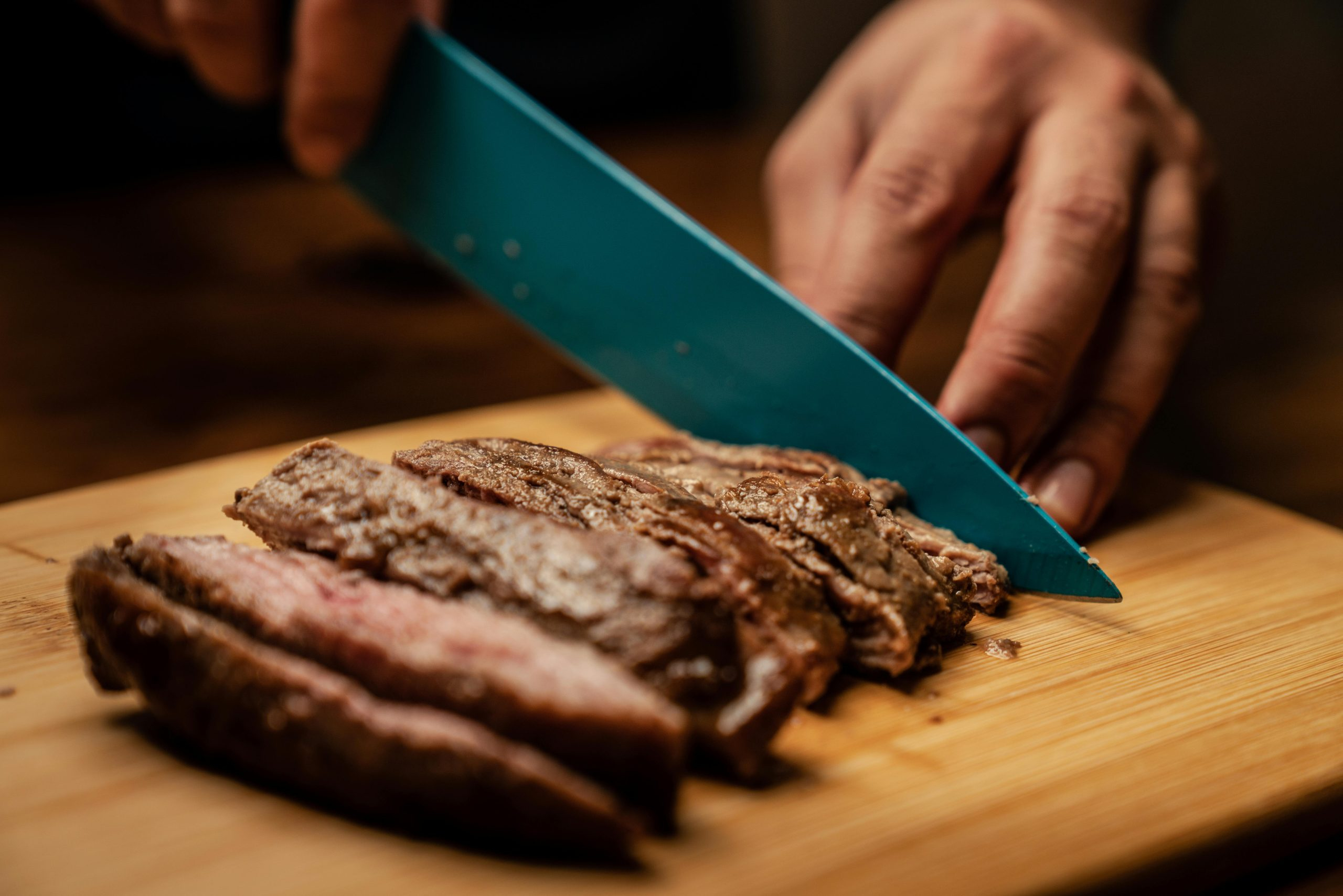
The Importance of Low and Slow Cooking
First, let’s understand how slow cooking differs from traditional methods of cooking. In most cases, cooking involves high heat for a shorter period of time. This is done to quickly cook the food and retain its flavors. However, slow cooking takes the opposite approach. By heating food at a lower temperature and for a longer period of time, flavors are intensified and the texture becomes tender and succulent. This is because slow cooking allows enough time for the ingredients to break down and meld together, resulting in rich and complex flavors.
The Science of Slow Cooking
So why is slow cooking so effective in enhancing flavor? The answer lies in the science of food chemistry. When food is cooked at a high temperature, the intense heat causes proteins and sugars to rapidly react and form new compounds. These compounds, known as Maillard reactions, are responsible for the browning and caramelization of food, which creates a desirable depth of flavor.
The Role of Collagen
Apart from the Maillard reactions, slow cooking also relies on a process called collagen breakdown. Collagen is a protein found in connective tissues of meat and is responsible for its tough texture. When heat is applied at a low and slow pace, collagen gradually breaks down into gelatin. Gelatin is a rich and flavorful protein-filled liquid that not only enhances the taste but also adds a silky texture to the dish.
The Importance of Moisture
In traditional cooking methods, moisture is often lost in the process, resulting in dry and tough meat. However, slow cooking retains moisture through its low and slow process, ensuring tender and juicy cuts every time. This is because the moisture in the food is converted into steam, which helps to keep the meat moist and prevents it from drying out.
Maximizing Flavor Depth in Slow Cooking
Slow cooking not only intensifies the flavors of food but also allows for depth and complexity. The low and slow approach allows flavors to develop and mingle, creating a rich and well-rounded taste. The longer cooking time also allows for spices and herbs to infuse their flavors into the food, resulting in a harmonious blend of flavors.
The Importance of Layering Flavors
Another key factor in maximizing flavor depth in slow cooking is layering flavors. This involves adding different ingredients at different times during the cooking process to build layers of flavor. For instance, caramelizing onions in the beginning and adding them to a slow-cooked stew will infuse a savory and slightly sweet flavor to the dish.
Using the Right Ingredients
The quality and cut of ingredients used in slow cooking also play a crucial role in achieving maximum flavor depth. Tougher cuts of meat, such as beef brisket or pork shoulder, are ideal for slow cooking as they require longer cooking time to break down their tough fibers and release delicious flavors. Additionally, using fresh and high-quality ingredients will ensure a more flavorful end result.
In Conclusion
The science of slow cooking proves that it is more than just a leisurely cooking method. By understanding the chemistry behind it, we can fully appreciate the delicious and robust flavors that slow cooking produces. So next time you decide to whip up a slow-cooked meal, let the low and slow process work its magic and enjoy the maximum flavor depth it brings to your dish. Happy cooking!