
Why Shopping Lists Are Essential For Reducing Food Waste
When it comes to reducing food waste, there are many effective strategies that one can implement in their daily routine. However, one of the most essential and often overlooked methods is keeping a shopping list. Many people underestimate the power of a well-planned shopping list and the impact it can have on reducing food waste. In this article, we will explore why shopping lists are essential for reducing food waste and how they can benefit both the environment and our wallets.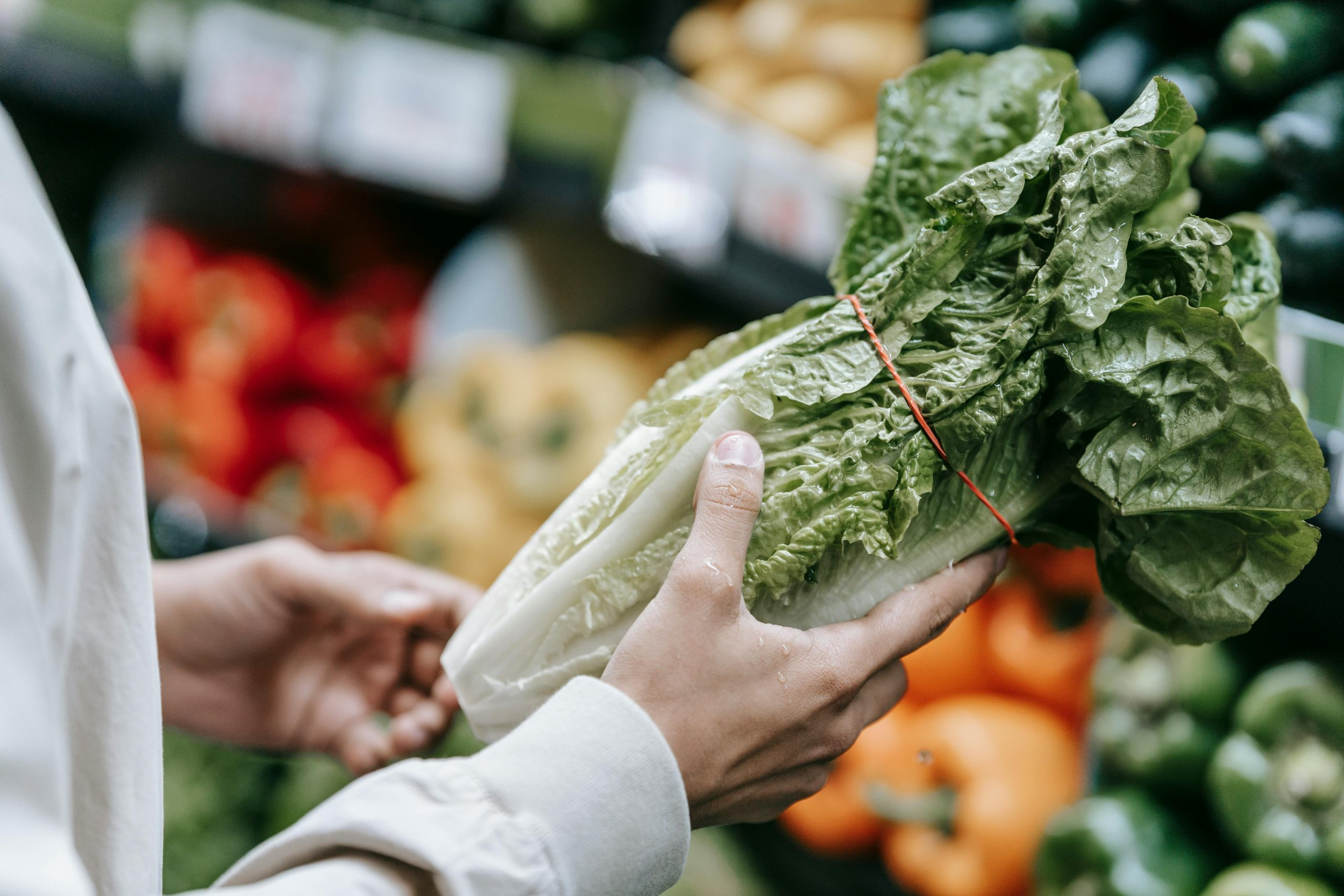
The Impact of Food Waste
Before delving into the role of shopping lists in reducing food waste, it is crucial to understand the impact of food waste on our planet. In today’s world, where millions of people go hungry every day, it is shocking to know that one-third of all food produced in the world goes to waste. According to the Food and Agriculture Organization (FAO), the annual global volume of food waste is estimated to be 1.3 billion tonnes, worth around $1 trillion.
The Environmental Consequences
Food waste does not only impact the economy but also has severe environmental consequences. When food waste ends up in landfills, it emits methane, a potent greenhouse gas that contributes to climate change. Additionally, the resources used to produce and transport this wasted food, such as water, energy, and land, are also wasted. Therefore, reducing food waste is crucial for mitigating the impacts of climate change and preserving natural resources.
The Financial Burden
In addition to the environmental implications, food waste also has a significant financial impact. According to a report by the World Resources Institute (WRI), the average American household of four throws away $1,800 worth of food annually. This waste not only includes the cost of the food itself but also the resources used to produce and transport it. By reducing food waste, we can save money and make our households more efficient.
The Role of Shopping Lists
Now that we understand the consequences of food waste, it is evident that taking steps to reduce it is crucial. This is where shopping lists come into play. Here’s how shopping lists can help tackle the issue of food waste:
1. Avoid Overbuying
One of the primary reasons for food waste is overbuying and buying items we do not need. When we shop without a list, we are often tempted to purchase more than we can consume, leading to food waste. By creating a well-planned list, we can buy only the necessary items, reducing the chances of overbuying and wasting food.
2. Plan Meals Ahead
Shopping lists can also help us plan our meals more effectively. When making a list, we can plan our meals for the week and only buy the ingredients necessary for those meals. This way, we can avoid buying unnecessary items and reduce food waste. Additionally, planning meals ahead of time can also save us time and money, making our weekly routine more organized.
3. Stick to a Budget
By creating a shopping list and only buying what we need, we can stick to a budget and reduce our grocery expenses. We tend to buy items that we do not need when shopping without a list, resulting in a higher grocery bill. By having a list, we can avoid impulsive purchases and save money in the long run, making our budget more manageable.
4. Restocking Regularly
When we have a shopping list, we can keep track of the items we use regularly and ensure they are always stocked in our pantry. This way, we can avoid running out of essential items and reduce the chances of throwing away spoiled food. By restocking regularly, we can also buy in bulk, which can be more cost-effective and reduce the amount of packaging waste from buying smaller items multiple times.
5. Buying Locally and Seasonally
Lastly, shopping lists can also encourage us to buy locally and seasonally. By planning ahead and creating a list, we can research what fruits and vegetables are in season and choose to buy them instead of out-of-season produce that has to be imported, reducing transport emissions and supporting local farmers. Additionally, buying locally and seasonally can also result in fresher and more nutritious food, reducing the chances of it going to waste.
Conclusion
In conclusion, shopping lists are an essential tool in reducing food waste. By planning our purchases, we can avoid overbuying, plan meals ahead, stick to a budget, restock regularly, and choose local and seasonal produce. These simple yet effective steps can have a significant impact on reducing food waste, benefitting both the environment and our wallets. So, the next time you head to the grocery store, don’t forget to bring your shopping list!