
How Peer Mentoring Programs Reduce Bullying In Primary Schools
Bullying in primary schools is a major concern worldwide with significant negative impacts on students’ mental and emotional health, academic performance, and overall development. According to the National Center for Educational Statistics, 20.8% of students in grades 9-12 reported being bullied at school in 2017. These numbers are alarming, and it is clear that efforts need to be made to combat bullying in schools.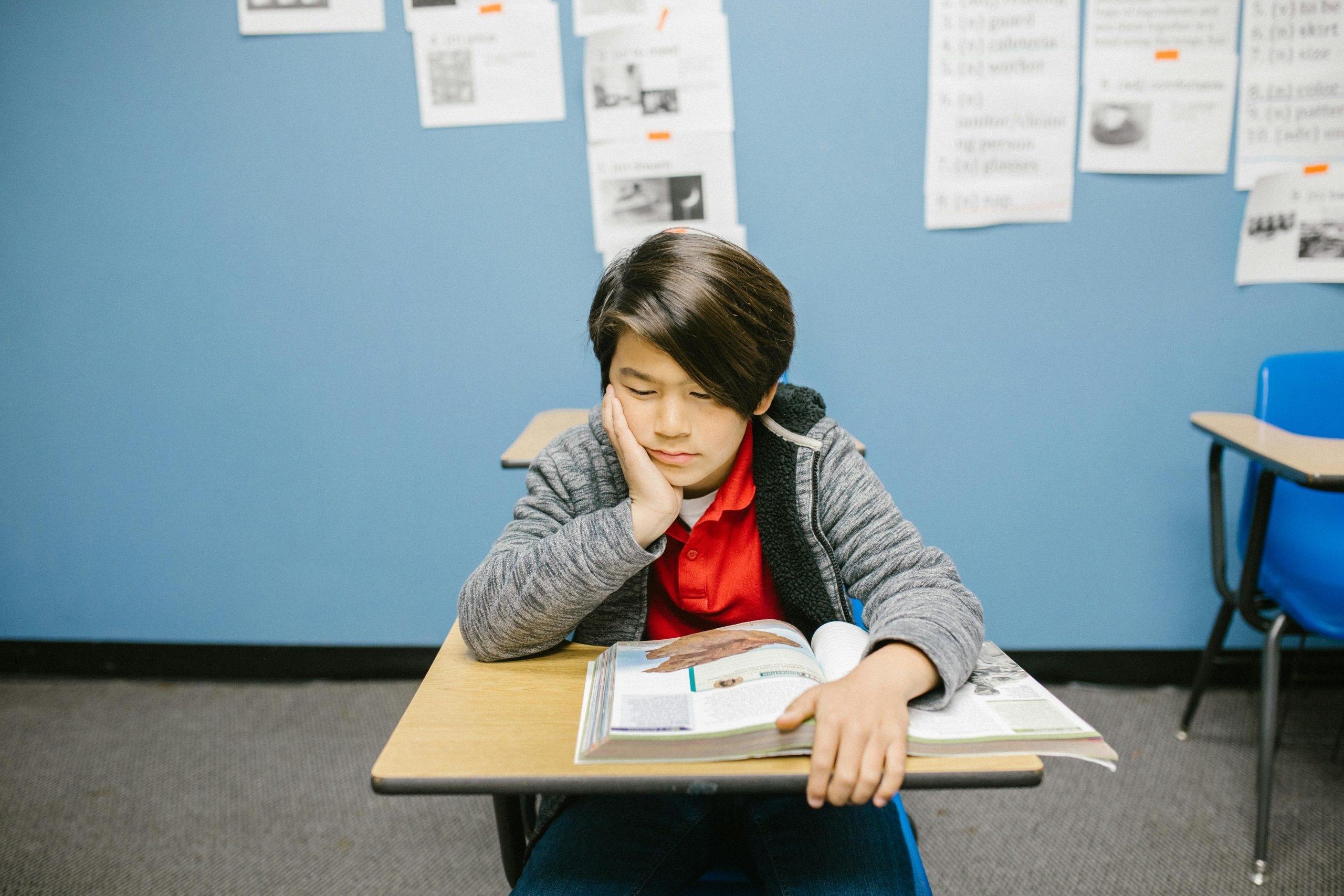
In recent years, peer mentoring programs have gained attention as a potential solution to reduce bullying in primary schools. These programs involve students helping and supporting their peers in various ways, including addressing bullying incidents. In this article, we will explore how peer mentoring programs can effectively reduce bullying in primary schools and the benefits they offer to both mentors and mentees.
The Need for Peer Mentoring Programs in Primary Schools
Before we delve into how peer mentoring programs can reduce bullying, it is essential to understand the reasons why they are necessary. Bullying is a learned behavior that often stems from students’ insecurities, struggles, or lack of understanding of appropriate social interactions. As much as schools and educators work towards creating a positive and inclusive environment, students still tend to mimic negative behaviors that they see or experience in their everyday lives.
Peer mentoring programs aim to address these root causes of bullying by fostering a culture of kindness, empathy, and understanding among students. These programs encourage positive interactions and relationships between students, leading to a decrease in bullying incidents.
The Role of Peer Mentoring Programs in Reducing Bullying
Creating a Supportive and Inclusive Environment
A crucial aspect of peer mentoring programs is creating an inclusive and supportive environment in schools. These programs equip students with the necessary skills and tools to become effective mentors, promoting a sense of belonging and acceptance among all students. As a result, students are less likely to engage in bullying behavior, as they feel valued and accepted by their peers.
Empowering Bullied Students
Being bullied can be a traumatizing experience for students, leading to feelings of low self-worth and self-esteem. Peer mentoring programs empower bullied students by providing them with a supportive mentor who can offer guidance, advice, and a safe space to share their experiences. This support and understanding from their peers can help bullied students build resilience and overcome the negative effects of bullying.
Teaching Conflict Resolution and Empathy
Peer mentoring programs also focus on teaching students conflict resolution skills and promoting empathy. By fostering healthy communication and problem-solving skills, students can learn to resolve conflicts peacefully instead of resorting to aggressive or bullying behavior. Additionally, students who participate in these programs gain a better understanding of the impact of their actions on their peers, leading to increased empathy and reduced bullying incidents.
Identifying and Addressing Bullying Incidents
As trained mentors, students in peer mentoring programs are equipped with the skills to identify bullying incidents and take appropriate action. They are taught to be observant, to listen, and to offer support to their peers who may be victims of bullying. Additionally, mentors are trained to report bullying incidents to teachers and school administrators, creating a united front against bullying in schools.
The Benefits of Peer Mentoring Programs for Both Mentors and Mentees
Peer mentoring programs offer numerous benefits to both mentors and mentees, making them a win-win solution for reducing bullying in primary schools.
For Mentors
Participating in peer mentoring programs allows students to develop leadership skills, build confidence, and improve their social and communication skills. They also learn the importance of empathy, compassion, and helping others, making them more likely to engage in positive behaviors and become role models for their peers.
For Mentees
Bullied students who participate in peer mentoring programs have the opportunity to build strong relationships with their mentors. They receive support, advice, and guidance from someone who can relate to their experiences and offer a safe space for them to share their feelings. This support can help them feel less alone and isolated, leading to improved mental and emotional well-being.
Conclusion
Bullying in primary schools has become a growing concern, and it is essential to take proactive measures to address it. Peer mentoring programs offer a promising solution to reduce bullying incidents in schools by promoting a culture of positivity, empathy, and inclusivity. These programs not only benefit the students involved but also contribute to creating a safer and more supportive learning environment for all students. By implementing effective peer mentoring programs, we can work towards creating a healthier and more peaceful school community for our children.