
How Virtual Reality Is Transforming Property Viewing Immersive Experiences
Imagine being able to walk through your dream home before it’s even built. Or being able to see every nook and cranny of a property without leaving the comfort of your own home. These are just a few of the possibilities made possible by virtual reality in the world of property viewing. As technology continues to advance, virtual reality is becoming increasingly prevalent in the real estate industry. It is transforming the way properties are viewed and experienced, making the already daunting task of house hunting easier and more exciting than ever before. In this article, we will explore how virtual reality is revolutionizing property viewing, creating immersive experiences that are changing the way we buy and sell real estate.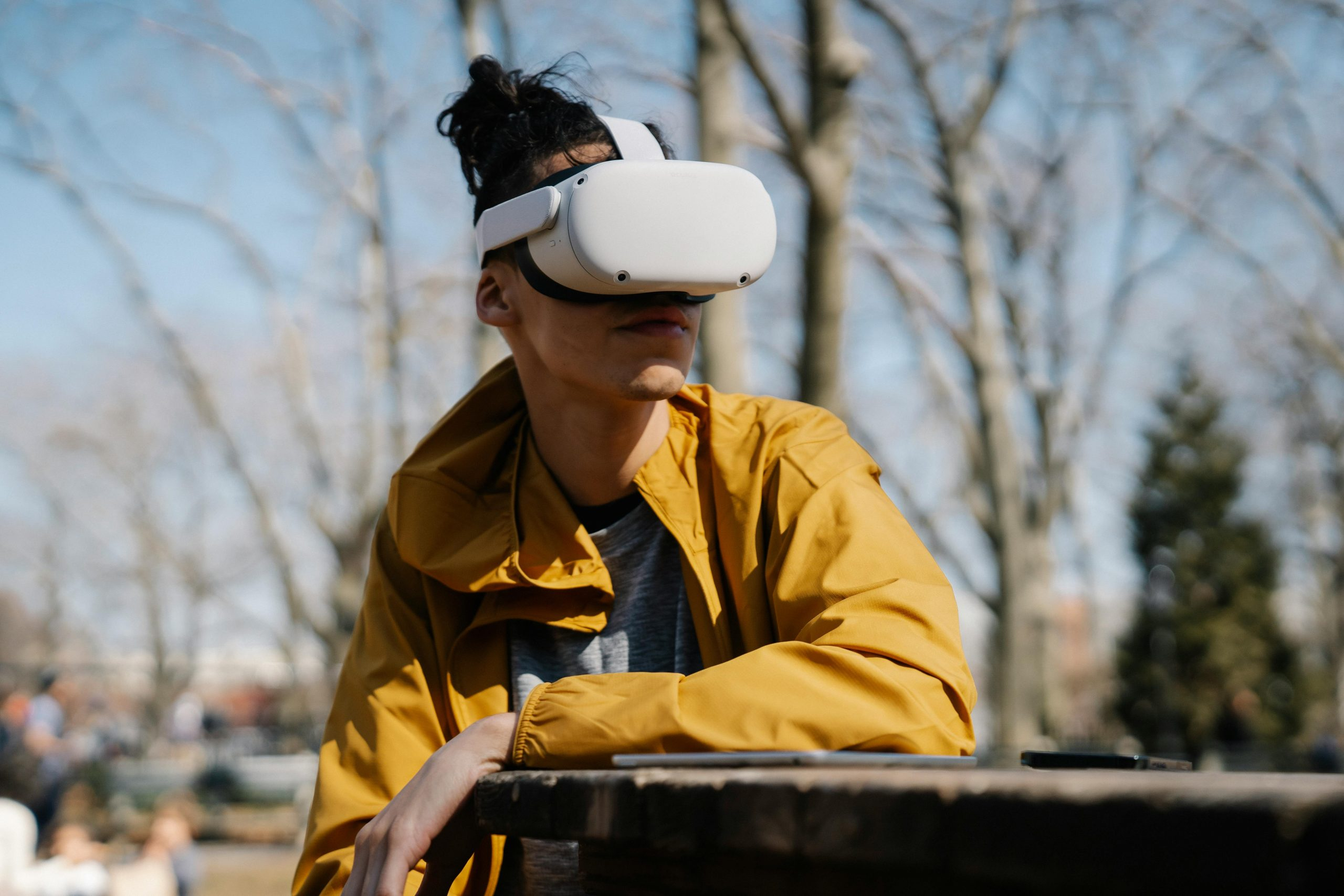
The Rise of Virtual Reality in Real Estate
Virtual reality, commonly known as VR, is a computer-generated simulation that allows users to interact with an artificial three-dimensional environment. This technology has been around for decades, mainly used in gaming and entertainment. However, in recent years, virtual reality has found its way into various industries, including real estate.
Traditionally, property viewing involved physically visiting different properties, attending open houses, and relying on 2D images and videos. This process was time-consuming, costly, and often resulted in disappointment when the property did not meet expectations. With the introduction of virtual reality in real estate, potential buyers can now explore properties without leaving their homes.
The Benefits of Virtual Reality in Property Viewing
The use of virtual reality in real estate offers numerous benefits to both buyers and sellers. Firstly, it allows buyers to experience a property in a more immersive and realistic way than traditional methods. Using VR headsets, potential buyers can take virtual tours of properties and get a better sense of the space, layout, and design.
Virtual reality also eliminates the need for physical visits, saving potential buyers time and money. Instead of taking hours to drive from one property to another, they can easily and quickly navigate through different homes using virtual reality, making the house hunting process more efficient and enjoyable.
For sellers, virtual reality offers a competitive edge in marketing their properties. With the ability to showcase a property in 3D, buyers can get a more accurate representation, increasing the chances of making a sale. Additionally, virtual reality can attract a global audience, as buyers from different parts of the world can view the property in the same immersive way.
Transforming the Way Properties are Presented
An essential aspect of property viewing is the presentation. Traditionally, photographs and videos were the primary ways of showcasing properties. However, these methods often fell short in providing a comprehensive and accurate representation of a property. With virtual reality, real estate agents and property developers can create highly detailed and realistic models of properties.
Virtual reality allows users to experience a property as if they were actually there. They can walk around, look up and down, and interact with different features in real-time. This level of immersion engages potential buyers and helps them envision themselves living in the property, making it more likely for them to make a purchase.
Enhancing the Pre-Construction Process
Virtual reality is also changing the way properties are marketed during the pre-construction phase. Traditionally, potential buyers had to rely on blueprints and 2D renderings to get an idea of what the property would look like. However, these 2D representations can be challenging to interpret, often leading to misunderstandings.
With virtual reality, buyers can now see and experience what the property will look like even before the construction process begins. This technology allows developers to create virtual tours of their future projects, giving potential buyers a more accurate and realistic visualization of the property. It also allows buyers to make design choices and customize the property to their liking, making the purchasing decision easier.
Conclusion
Virtual reality is transforming the property viewing experience, creating immersive and interactive experiences that were previously unimaginable. With its ability to showcase properties in 3D, virtual reality is making the house hunting process more efficient, cost-effective, and exciting for both buyers and sellers. As technology continues to advance, we can expect to see virtual reality become an integral part of the real estate industry, making property viewing an immersive and enjoyable experience for all.