The History Of Power Dressing In Corporate Leadership Roles
From the earliest days of business, appearances have played a crucial role in corporate leadership roles. The way one dresses has always been an essential element of business etiquette, often shaping how leaders are perceived by their peers and employees. However, over the years, the concept of power dressing has transformed from just dressing for success to a tool for conveying authority, confidence, and status. In this article, we take a dive into the history of power dressing in corporate leadership roles, exploring its evolution over time and the impact it has on the business world today.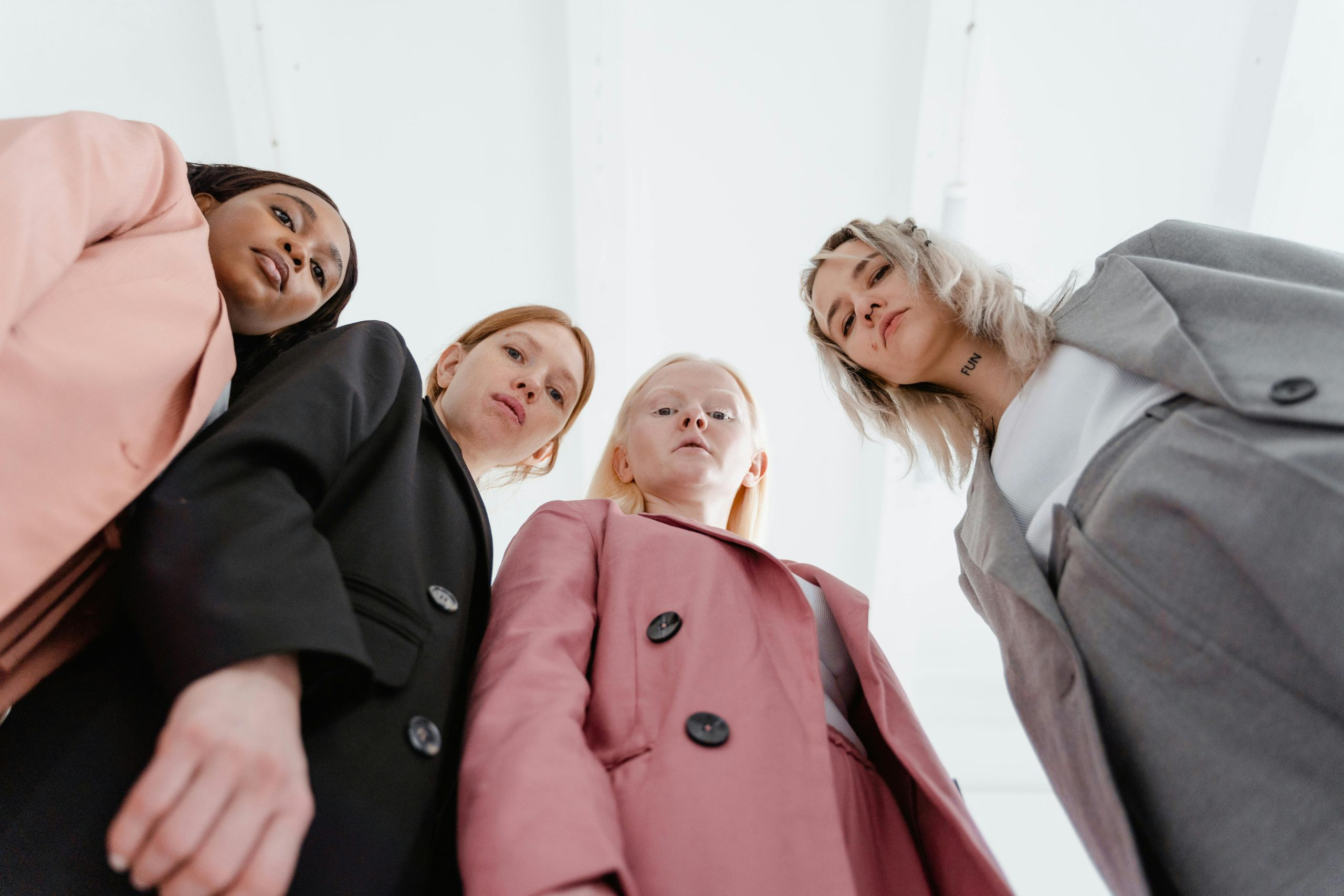
The roots of power dressing
The idea of dressing to inspire or command authority has existed since ancient times. In ancient Rome, wealthy citizens wore togas as a symbol of their social status and power. In the Middle Ages, European nobles used intricate clothes and expensive fabrics to indicate their wealth and position in the hierarchical society. In the 19th century, professionals in the US and Britain, particularly lawyers and bankers, crafted a dress code that set them apart from the rest of the population.
However, it was not until the 1950s that the term “power dressing” was first used to describe the act of using clothing to project authority and success. During this era, the rise of the corporate culture and the belief that an individual’s success was tied to their appearance sparked a new focus on dressing for influence in the business world.
The power suits of the 1980s
The 1980s marked a significant shift in power dressing, thanks to the rise of influential businesswomen and their influence on the corporate fashion scene. The introduction of tailored tailored jackets and skirts, paired with shoulder pads, became the signature look for women in the business world. This style, often referred to as the “power suit,” aimed to project equal power and authority as their male counterparts.
The power suits of the 1980s not only reflected the changing attitudes towards women in the workplace, but also the widespread belief that success could be achieved through one’s appearance. It was during this decade that designers like Giorgio Armani and Ralph Lauren became icons, and their power suits became a symbol of corporate success.
The new wave of power dressing
As we entered the 21st century, the corporate world underwent significant changes. With the rise of the tech industry and the increasing number of startups, there was a shift towards more casual and comfortable attire in the workplace. The traditional power suit was no longer the default choice for leaders and professionals in the business world.
While the idea of power dressing may have evolved, its fundamental principles remain the same – projecting confidence and authority through clothing. Today, power dressing is less about specific garments or designers and more about finding a personal style that exudes power and success. Women now have more freedom in choosing their attire, with fewer expectations to conform to traditional masculine dress codes. Unconventional choices like pant suits, statement dresses, and even sneakers are now embraced as powerful fashion statements.
The influence of power dressing on the business world
Now more than ever, clothing and personal styles play a crucial role in shaping an individual’s perceived authority and influence in the business world. A well-dressed leader can inspire confidence, establish trust, and create a sense of respect among their team and colleagues. On the other hand, a poorly dressed CEO can significantly hinder their ability to command respect and be taken seriously by their peers and employees.
Additionally, power dressing has also contributed to creating a sense of equality, particularly between men and women in the workplace. By allowing women to embrace their femininity and individual fashion choices, power dressing has helped shift perceptions towards gender roles in the corporate world.
In conclusion
Power dressing in corporate leadership roles has a rich and fascinating history, spanning centuries and reflecting significant changes in societal attitudes and cultures. From the ancient empires to the modern business world, the way we dress has always been intertwined with power and authority. As we continue to move towards a more inclusive and diverse workforce, power dressing will undoubtedly continue to evolve, shaping how we perceive and present ourselves in the business world.