The Art Of Food Plating For Professional Looking Home Presentations
Food is more than just sustenance; it is an art. The way we present food can elevate a simple meal to a fine dining experience. This is why food plating has become a crucial aspect of culinary arts, and not just for professional chefs. With the rise of social media and food blogging, home cooks are also putting in effort to make their dishes visually appealing. In this article, we will delve into the art of food plating for professional looking home presentations. From basic principles to advanced techniques, let’s take a look at how you can turn your kitchen into a Michelin-starred restaurant.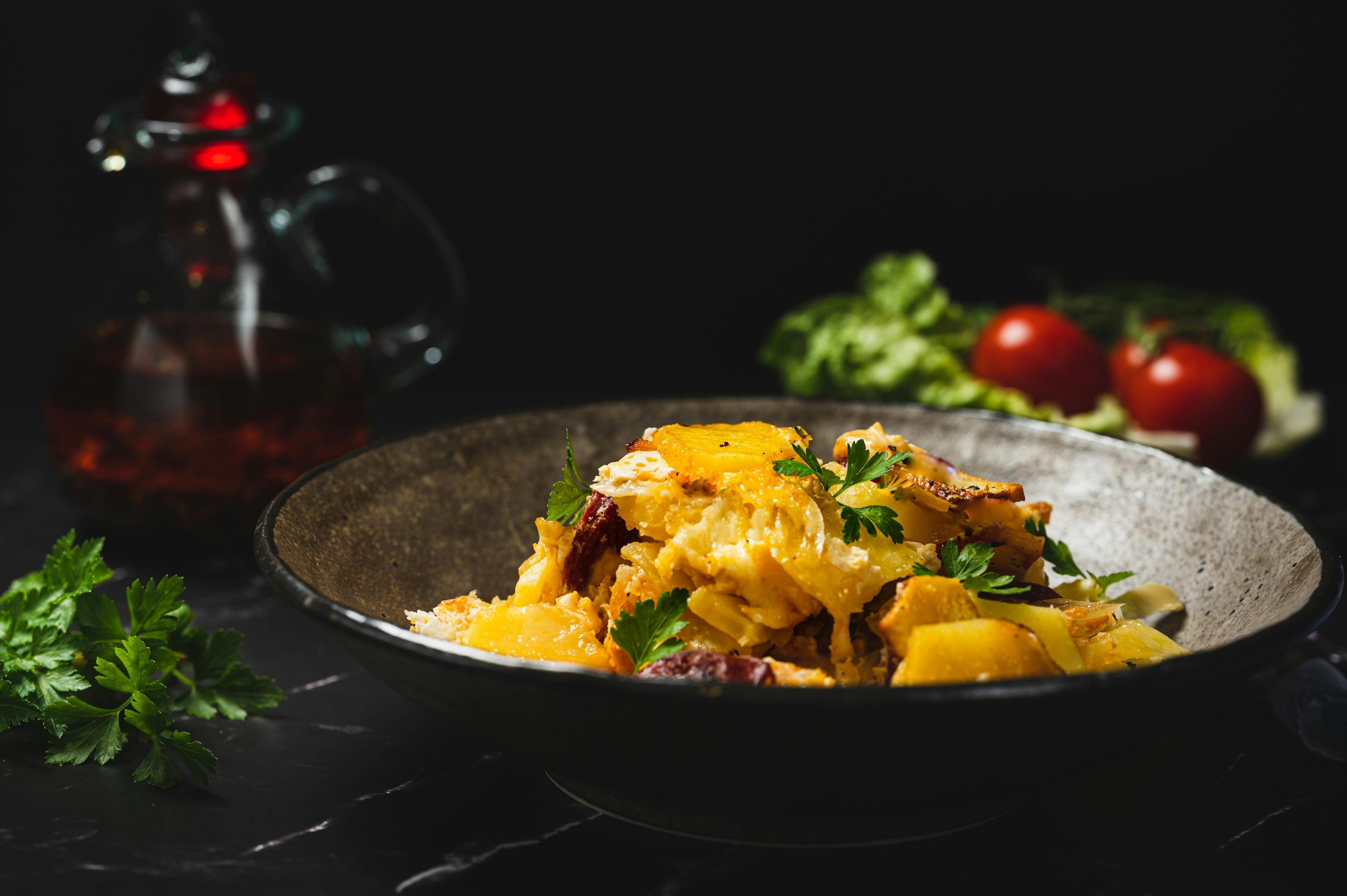
The Importance of Food Plating
Food plating is the process of arranging food on a plate in a visually appealing manner. While it may seem like a trivial aspect of cooking, food plating is essential for several reasons. Firstly, it creates a first impression. Imagine walking into a restaurant and being served a disorganized and messy plate of food. Your perception of the dish and the restaurant as a whole would be negative, even before tasting it. On the other hand, a beautifully plated dish can stimulate your appetite and enhance your dining experience.
Secondly, food plating showcases the ingredients and flavors of a dish. By presenting each component of a dish in an organized and deliberate manner, it allows the flavors to shine and be appreciated. Additionally, proper plating can also help with portion control, ensuring that each bite has a balance of flavors and textures.
Last but not least, food plating is an expression of creativity and artistry. Chefs use food plating as a way to showcase their skills and elevate their dishes to a work of art. And even at home, plating your dishes beautifully can make you feel like a professional chef and impress your guests.
The Basic Principles of Food Plating
Before we dive into advanced techniques, it’s essential to understand the basic principles of food plating. These principles will guide you in creating aesthetically pleasing plates of food.
Balance
The most crucial aspect of food plating is balance. The plate should have a harmonious distribution of colors, textures, and flavors. The goal is to avoid having one dominant element that overpowers all the others. For example, if you have a vibrant and colorful main dish, pair it with a simple side dish that complements the flavors and provides contrast in color and texture.
Contrast
Incorporating contrast in your food plating adds visual interest and makes the dish more appetizing. This can be achieved by using a mix of colors, textures, and shapes. For instance, pairing a smooth and creamy sauce with a crispy protein or using a splash of bright-colored sauce on a plain white plate can create an eye-catching contrast.
Proportion
The proportion of each component on the plate is crucial in creating a balanced and visually appealing dish. As a general rule of thumb, the main protein should take up about 40% of the plate, while 30% is for the side dish, and the remaining 30% is for garnishes and sauces. However, these proportions can be adjusted depending on the dish and the visual effect you want to achieve.
Simplicity
While it’s tempting to go overboard with plating, simplicity is key. A cluttered and messy plate can be overwhelming and detract from the dish’s flavors. Stick to a few elements and focus on making them shine. Remember, less is more.
Advanced Techniques for Professional Looking Presentations
Now that we’ve covered the basics let’s take a look at some advanced techniques that professional chefs use to create stunning food presentations.
The Rule of Odds
The rule of odds is a technique used to create an aesthetically pleasing asymmetrical balance on a plate. Plating an odd number of elements (3, 5, 7) creates a more visually interesting and dynamic presentation as compared to an even number. For example, instead of pairing a protein with two side dishes, try adding a third element, such as a colorful garnish, to create a sense of balance.
Plate Layering
Layering is a simple yet effective technique that adds depth and dimension to a dish. Start by placing the protein on the plate, followed by the sauce or accompaniment. Then, use other elements, such as vegetables or grains, to create layers on top. This technique creates a sense of height and a vibrant visual effect on the plate.
Garnishing and Sauces
Garnishes and sauces play a crucial role in food plating. They can add color, texture, and flavor to a dish, as well as tie the elements together. However, it’s important to use them sparingly and deliberately. Too many garnishes or sauces can make the dish look messy and unappetizing. Additionally, make sure the garnishes and sauce complement the dish’s flavors and textures, and not overpower them.
Conclusion
Food plating is a blend of science and creativity. While it may seem like an overwhelming task, with these basic principles and advanced techniques, you can elevate your home-cooked meals to professional looking presentations. Remember to have fun and experiment with different plating styles and techniques to find what works best for you. With practice, you’ll be plating like a pro in no time.