
Exploring The Art Of Tea Ceremonies For Daily Mental Relaxation
Tea ceremonies have been practiced for centuries and are deeply rooted in many cultures around the world. This ancient ritual is not just about sipping a warm beverage, but rather a form of mindfulness and relaxation that has been embraced for its therapeutic benefits. In today’s fast-paced world, where stress and anxiety are prevalent, exploring the art of tea ceremonies can provide a daily mental escape and promote overall well-being.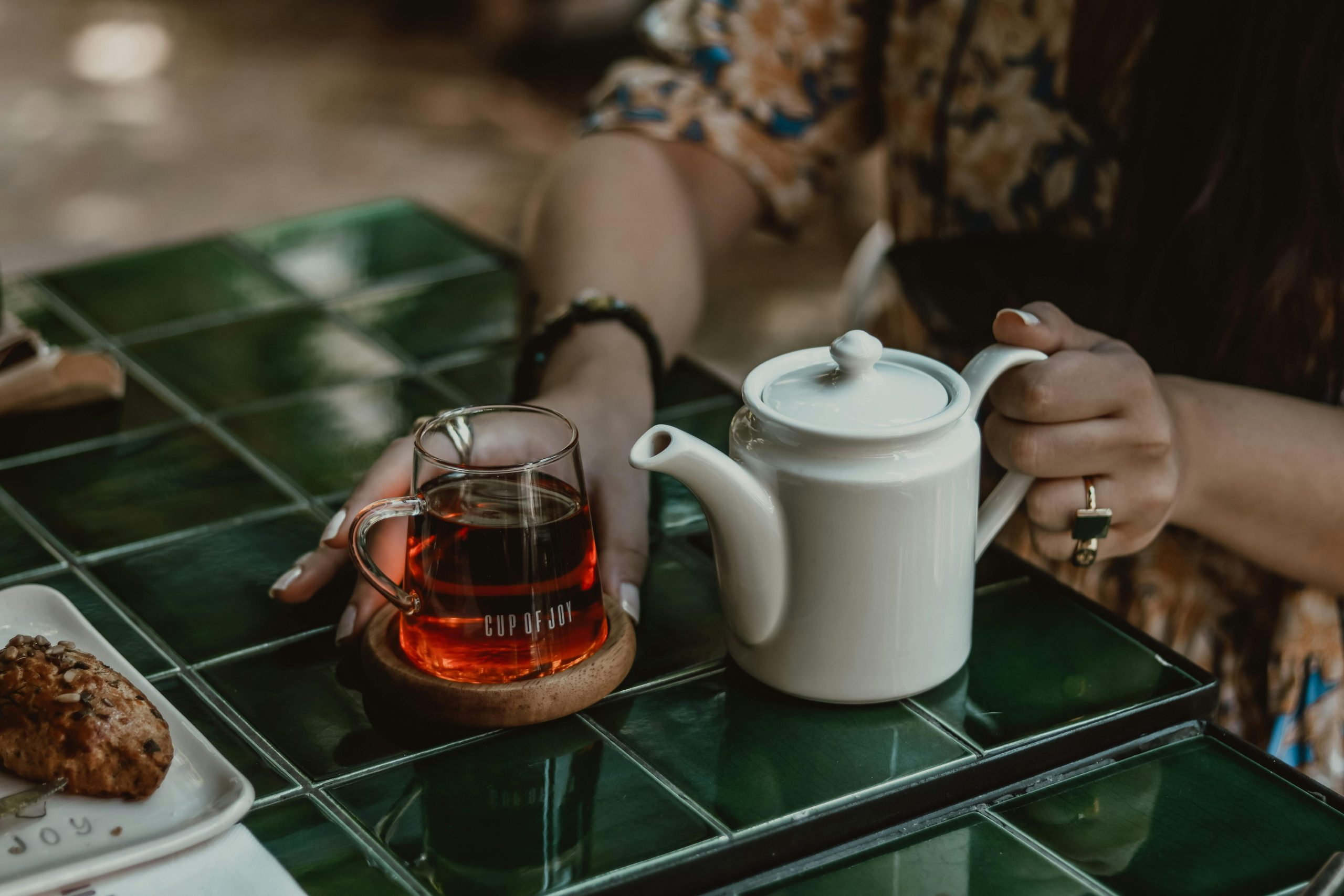
The History of Tea Ceremonies
The origin of tea ceremonies can be traced back to China during the Tang Dynasty (618-907 AD). It was initially introduced for medicinal purposes but later evolved into a ceremonial practice. Tea ceremonies spread to Japan and became an integral part of Zen Buddhism, emphasizing the importance of being present in the moment and finding peace and tranquility through tea drinking.
The Ritual of Tea Ceremonies
At its core, a tea ceremony is a practice of mindfulness and gratitude. It involves a structured set of rituals, from the preparation of the tea to the way it is served and consumed. Each step is done with purpose, intention, and full attention, making it a meditative experience.
The Preparation
The preparation of a tea ceremony is an art in itself. The host takes great care and precision in selecting the tea, utensils, and teaware. The tea room is also carefully arranged to create a peaceful and serene environment. The host prepares the tea, often in front of the guests, with a gentle and graceful hand, symbolizing respect and appreciation for the tea.
The Serving
Tea is served to each guest one cup at a time, and it is considered impolite to drink until everyone has been served. The cups are passed to the guests with a slight bow, and the guests receive them with both hands, acknowledging the offering. The guests then take a moment to admire the beauty of the tea and express their gratitude before taking a sip.
The Consumption
The tea is meant to be savored, and the guests are encouraged to fully appreciate its taste, aroma, and texture. Each sip should be taken mindfully, allowing the senses to fully immerse in the experience. Silence is usually observed during a tea ceremony, and conversation is kept to a minimum to cultivate a sense of peace and stillness.
The Benefits of Tea Ceremonies for Mental Relaxation
Tea ceremonies offer a break from the chaos of everyday life and provide a space for relaxation and reflection. The slow-paced nature of a tea ceremony allows for a moment of mindfulness, where one can let go of stress and focus on the present moment. The soothing aroma and taste of the tea also have a calming effect on the mind and body.
Moreover, the ritual of a tea ceremony can be seen as a form of self-care. Taking the time to prepare and savor the tea can promote a sense of self-awareness and gratitude. In addition, the communal aspect of a tea ceremony encourages social connection and can help reduce feelings of loneliness and isolation.
Incorporating Tea Ceremonies into Daily Life
You don’t have to be a Zen master to practice a tea ceremony. Anyone can incorporate its principles into their daily life to reap its benefits. Taking a break during the day to make a cup of tea mindfully and setting aside distractions to fully appreciate its taste and aroma can be a mini tea ceremony in itself. It can serve as a daily ritual to cultivate calmness, gratitude, and self-reflection.
Additionally, attending a formal tea ceremony or joining a local tea ceremony group can provide a more immersive experience and allow for learning and cultural exchange.
Conclusion
Exploring the art of tea ceremonies goes beyond just drinking a cup of tea. It is a practice of mindfulness and gratitude that can promote mental relaxation and overall well-being. So why not take a break, brew a cup of tea, and embark on your own journey of discovering the beauty and tranquility of a tea ceremony.