The Importance Of Kitchen Lighting For Safety And Food Preparation
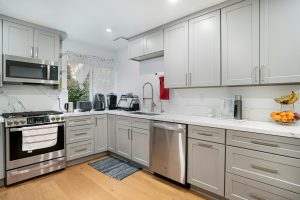
Kitchen lighting plays an essential role in both safety and food preparation within the home. A well-lit kitchen not only makes it easier to navigate and see what you are cooking, but it also has a significant impact on the overall aesthetics of the space. With the right type of lighting, you can create a warm and inviting atmosphere while ensuring that the kitchen is a safe and functional environment for all your cooking needs. In this article, we will delve into the importance of kitchen lighting for safety and food preparation and how to make the most out of your kitchen lighting setup.
The Importance of Proper Lighting in the Kitchen
Safety First
The kitchen is a place where we use sharp objects, hot surfaces, and potentially hazardous appliances. Adequate lighting is crucial to prevent accidents and ensure safety while performing various tasks. With proper lighting, you can quickly identify and avoid potential hazards like spills, broken glass, or sharp knives. Also, you can clearly see where you are cutting, measuring, or cooking, reducing the risk of cuts and burns. This is especially important in a busy kitchen with multiple cooks, as accidents can easily happen in dimly lit areas.
Food Preparation and Cooking
The kitchen is where all the magic happens when it comes to food preparation and cooking. However, even the best chefs need proper lighting to create culinary masterpieces. With adequate lighting, you can properly read recipes, measure ingredients, and see the colors of food to determine if it is cooked to perfection. It also makes it easier to check for food freshness and quality, which is crucial for maintaining a healthy and safe kitchen environment.
Aesthetics and Mood
Apart from safety and functionality, kitchen lighting also has a significant impact on the overall aesthetics and mood of the space. Bright lighting can make a small kitchen appear more open and spacious, while warm, dim lighting can create a cozy and intimate atmosphere. This is especially important if you use the kitchen as a social gathering space or for entertaining guests. Well-placed lighting can also highlight specific features of your kitchen, such as a beautiful backsplash, or a stunning countertop, adding to the overall ambiance of the space.
How to Make the Most Out of Your Kitchen Lighting Setup
Consider the Different Types of Kitchen Lighting
When it comes to kitchen lighting, there are three primary types to consider: ambient lighting, task lighting, and accent lighting. Ambient lighting is the general lighting that illuminates the whole room. Task lighting is focused on work surfaces and areas where specific tasks are performed, such as the countertops and stovetop. Accent lighting is used to highlight specific features or decor in the kitchen, such as artwork or glass cabinets. A combination of these three types of lighting can create a well-lit and functional kitchen space.
Choose the Right Bulbs
The type of bulbs you use in your kitchen lighting can make a significant difference in both functionality and aesthetics. LED bulbs are energy-efficient and have a long life, making them a popular choice for kitchen lighting. They also provide bright, white light, making it easier to see while cooking. If you prefer warmer, softer lighting, halogen bulbs or incandescent bulbs may be a better option. It is always essential to choose bulbs with the appropriate color temperature for the desired ambiance and functionality.
Place Lighting Strategically
Proper placement of lighting is crucial to achieving an evenly lit kitchen space. For ambient lighting, consider using overhead lighting fixtures or recessed lighting. For task lighting, under-cabinet lighting is a popular choice, as it directly illuminates countertops and work surfaces. Accent lighting can be achieved using pendant lights or small table lamps. Always make sure to place lights in areas where it will not cast shadows, especially while performing tasks like chopping or mixing.
Regular Maintenance
Finally, to ensure that your kitchen lighting remains functional and safe, it is essential to perform regular maintenance. Replace burnt-out bulbs promptly, and clean fixtures and lighting covers to ensure maximum light output. Check for any wiring issues, and if you notice any flickering or uneven lighting, consult a professional electrician.
In conclusion, the importance of kitchen lighting for safety and food preparation cannot be overstated. From preventing accidents to creating the perfect atmosphere, proper lighting is essential for a functional and visually appealing kitchen. With the right types of lighting, strategic placement, and regular maintenance, you can create the perfect kitchen lighting setup that will enhance your cooking experience and make your space shine.